


Starting at $79/mo
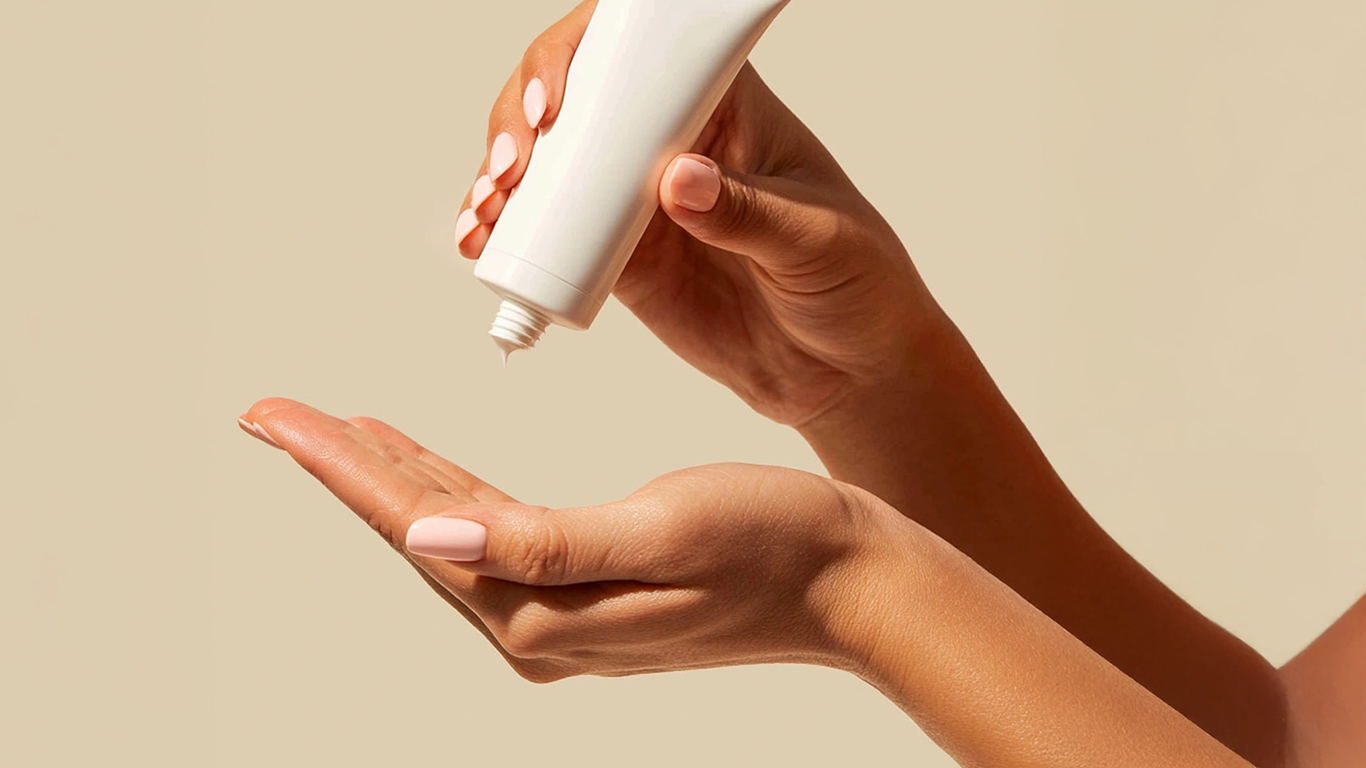
Calming Cream
Topical
Azelaic acid, ivermectin, metronidazole, niacinamide, and zinc pyrithione — soothes redness, eases inflammation, and reduces rosacea flare-ups.
Board-Certified Providers
Experienced with rosacea subtypes
Prescription Rosacea Rx
Clinically proven formulations
Long-Term Plans
Control, not quick fixes

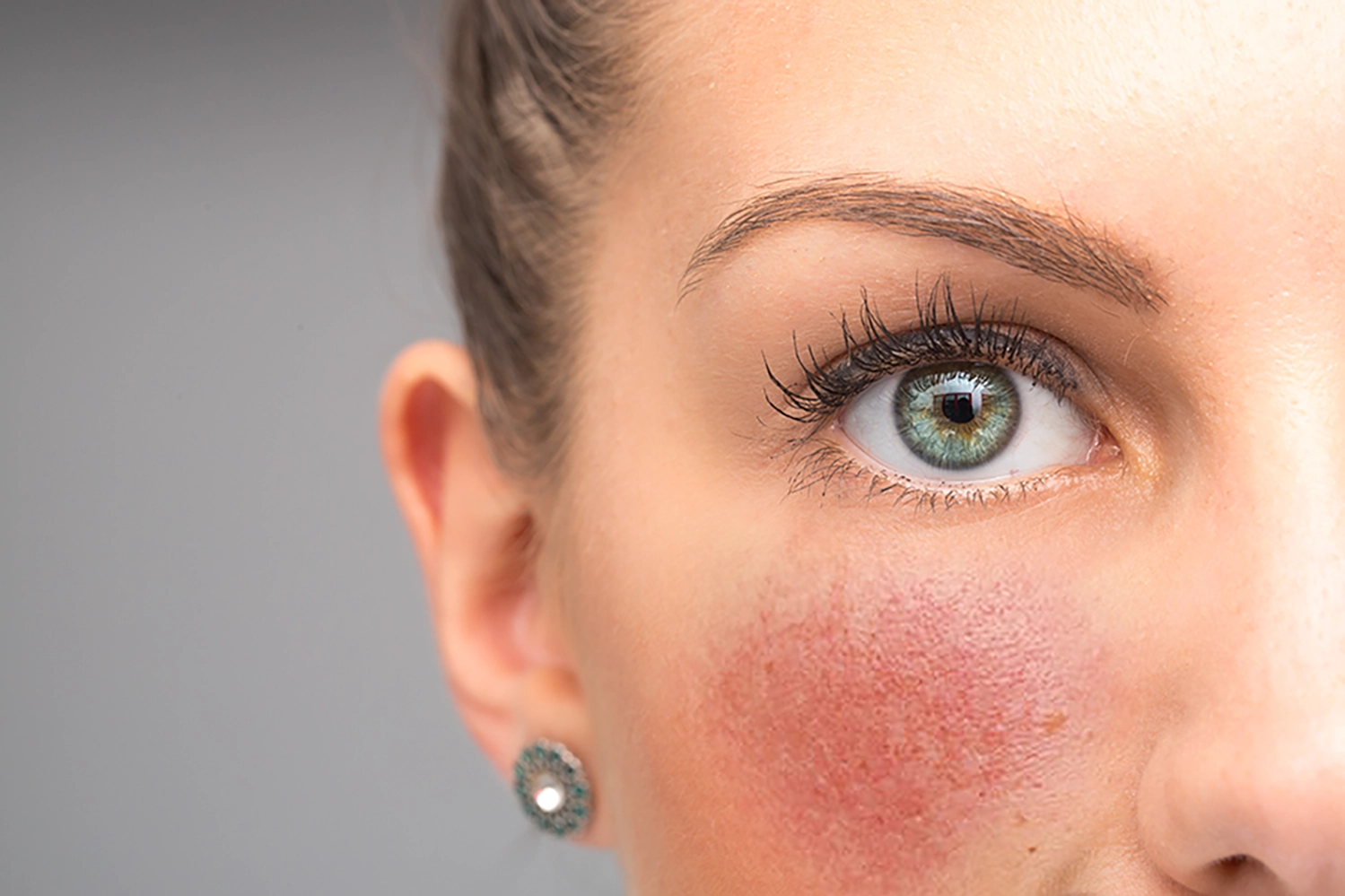
Your cheeks, nose, or forehead flush easily — from heat, wine, stress, or nothing at all.
Visible blood vessels and persistent redness show through your makeup.
Most 'soothing' products make it worse, and you're exhausted by trial and error.
Rosacea needs a real treatment plan — prescription actives, lifestyle tuning, and in-office options that calm redness at the source.
Your provider diagnoses your rosacea subtype and builds a plan around it.
Persistent Redness
Prescription topicals like azelaic acid, metronidazole, and ivermectin reduce chronic redness over weeks.
Flushing Episodes
Medications like brimonidine and oxymetazoline temporarily constrict blood vessels to reduce visible flushing.
Papulopustular Breakouts
The bumps and pustules of rosacea respond to prescription antibiotics and anti-inflammatory topicals.
Barrier Repair
Rosacea often coincides with a compromised barrier. We rebuild the skin's foundation alongside symptom control.
PRESCRIPTION OPTIONS
A prescription cream tuned to your rosacea pattern — $79/month with provider access and home delivery.
Starting at $79/mo
Topical
Azelaic acid, ivermectin, metronidazole, niacinamide, and zinc pyrithione — soothes redness, eases inflammation, and reduces rosacea flare-ups.
YOUR PLAN, STEP BY STEP.
Rosacea isn't one thing. Your provider identifies your subtype (erythematotelangiectatic, papulopustular, phymatous, or ocular) and your personal triggers.
A custom topical and, when needed, oral regimen designed to calm your specific presentation.
Rosacea is chronic — but it can be controlled. Your provider helps you maintain calm skin through seasons, stress, and life changes.
It can't be cured, but it can be controlled extraordinarily well with the right plan. Many patients go months or years without flares once they find what works.
Varies by individual — but common triggers include alcohol-based products, fragrance, and strong exfoliants. Your provider will review your current routine.
Without treatment, often yes. With a consistent plan, most patients see steady improvement or stable control.
Some are excellent (like IPL for visible vessels), others aren't. Your provider will recommend only what suits your subtype and skin.
For many patients, yes. Hot beverages, alcohol (especially red wine), and spicy foods are among the most common dietary triggers. Keeping a simple trigger journal helps identify your personal pattern. Diet management alone won't eliminate rosacea, but it can meaningfully reduce flare frequency.
Easily — papulopustular rosacea produces bumps that look nearly identical to inflammatory acne. The key difference: rosacea lesions don't have blackheads or whiteheads, and typical acne treatments (benzoyl peroxide, salicylic acid) often make rosacea worse. Accurate diagnosis is critical before starting treatment.
Some topical rosacea medications (like azelaic acid) are considered relatively safe during pregnancy. Others require review. Oral doxycycline, commonly used for papulopustular rosacea, is not recommended during pregnancy. Your provider will adjust your plan if you're pregnant or planning to conceive.

February 2026
August 2025

January 2025
ROSACEA
Ready to calm redness and reclaim your skin?