



Skin Health
3 min
GLP-1 Diet: Complete Nutrition Guide for Weight Loss Success
February 2026
Weight Loss
Careers
Board-Certified Providers
Trained in scalp regeneration
Growth Factor Therapy
Evidence-based regenerative medicine
Stacks With Rx Therapy
Amplifies your hair loss plan
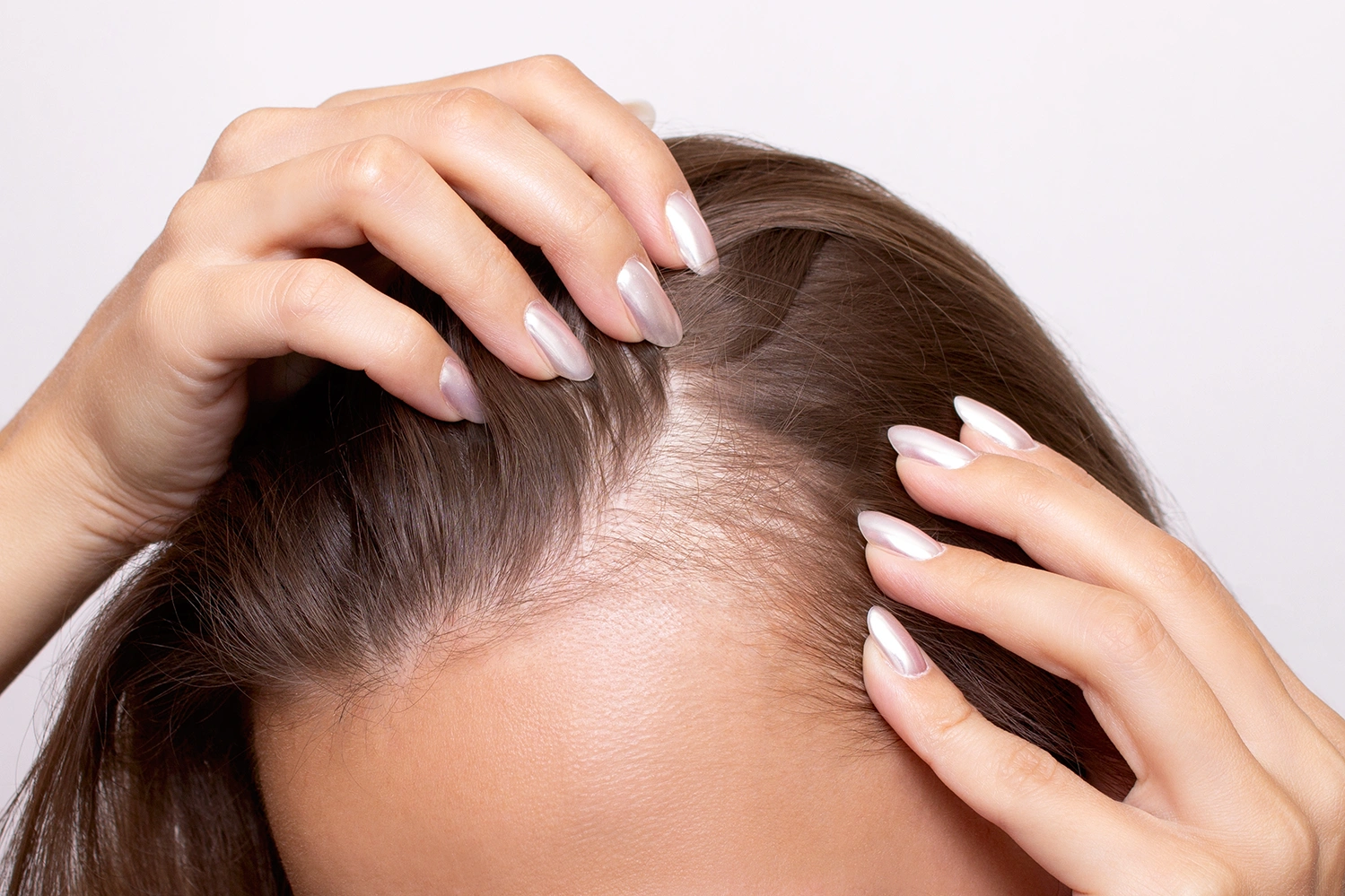
Your hair loss is too early for transplant — but the topicals alone aren't enough.
You want an in-office option that complements your prescription plan.
You're looking for regenerative, not just medicated approaches to hair restoration.
PDGF (platelet-derived growth factor) delivered into the scalp signals dormant follicles to wake up — and makes existing hair thicker and healthier.
A regenerative stack that works alongside oral and topical treatments.
Wake Up Dormant Follicles
Growth factors signal miniaturized follicles to re-enter the active growth phase, producing thicker, stronger hair.
Thicken Existing Hair
Hair that has survived but thinned regains caliber and density over a series of treatments.
Amplify Your Plan
Patients on finasteride, dutasteride, or minoxidil often see faster, stronger results when PDGF is added to the mix.
Post-Transplant Support
For hair transplant patients, PDGF can improve graft survival and accelerate recovery.
Transparent Pricing
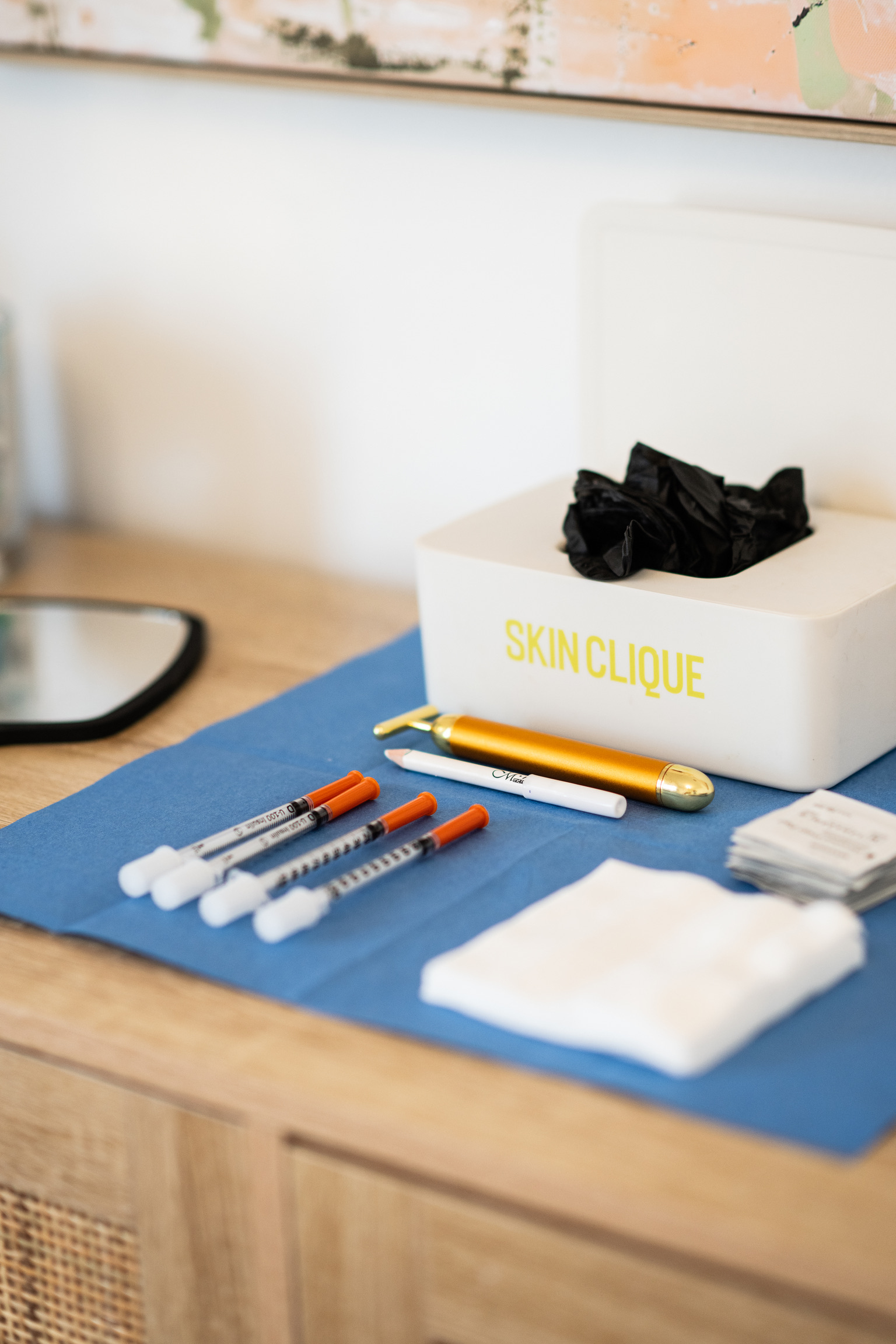
Each package is a series of in-office scalp injections. Your provider will recommend the right plan based on your pattern of loss.
FIND A PROVIDER NEAR YOU
Get Started with PDGF for Hair Loss.

YOUR TREATMENT, STEP BY STEP.
Your provider assesses the pattern and stage of your hair loss to determine whether PDGF is the right fit.
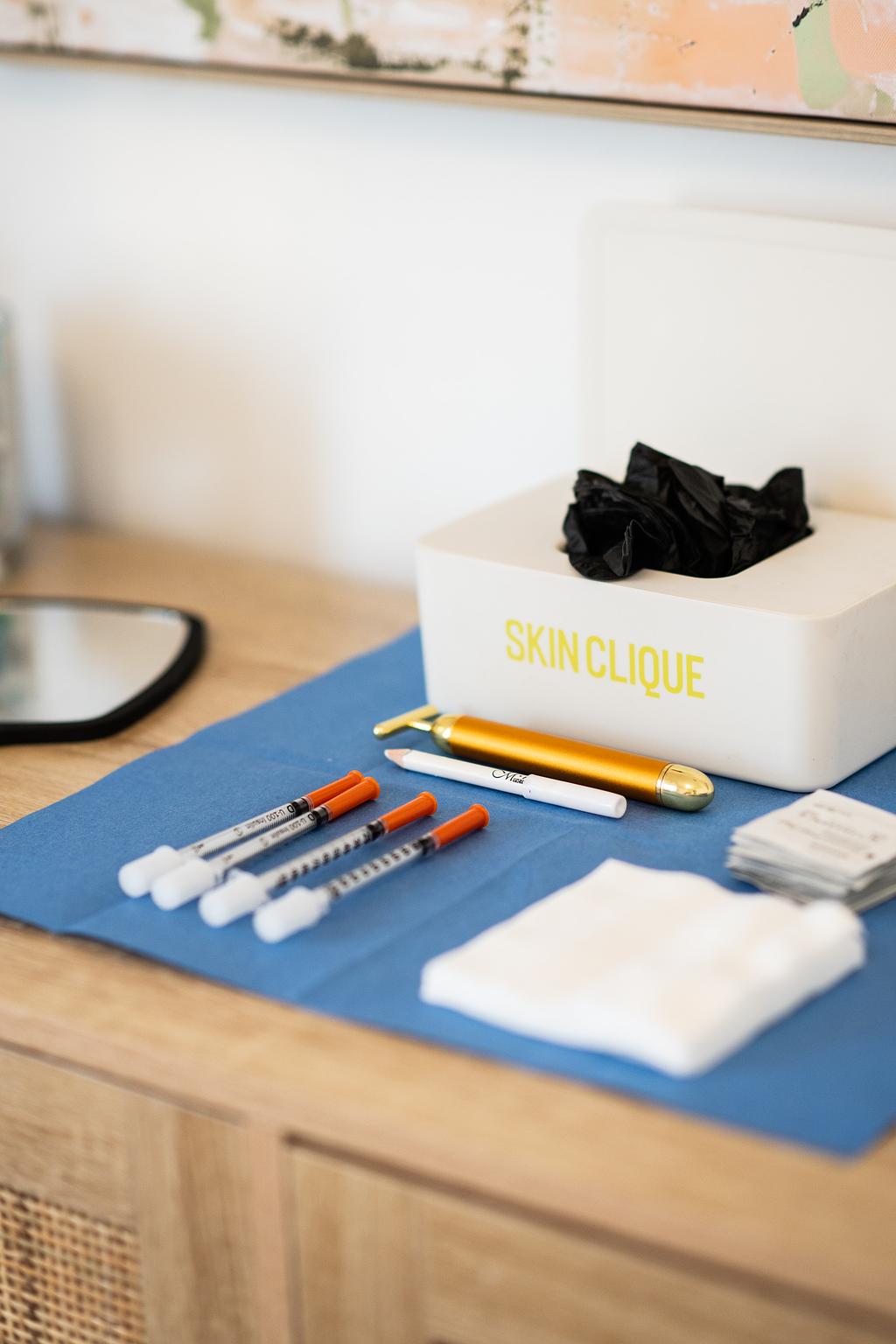
The scalp is numbed, then treated with microneedling to create channels through which PDGF is delivered.
Mild redness for 24 hours is typical. Protocols typically run 3-6 sessions spaced 4-6 weeks apart.
PRP requires drawing your blood; PDGF is a concentrated, shelf-stable growth factor that doesn't require a blood draw. Both use growth factor biology to stimulate hair regeneration.
Typically 3–6 initial sessions spaced every 4–6 weeks, followed by maintenance treatments every 3–6 months.
The scalp is numbed before treatment. Most patients describe the procedure as very tolerable.
It can, but the best results come from combining PDGF with proven oral and topical therapies. Your provider will design the right mix for you.
No — like most hair loss treatments, results require ongoing maintenance. Androgenetic alopecia is a chronic condition. Maintenance PDGF sessions (every 3–6 months) help sustain the improvements gained during the initial protocol.
Both work through growth factor signaling to stimulate follicle activity. PDGF offers standardized, consistent potency — no variability based on your individual platelet count. Patients who want effective growth factor therapy without a blood draw often prefer PDGF.
Yes — and this combination tends to produce the best outcomes. PDGF addresses the follicle directly; oral medications address the hormonal driver of hair loss systemically. Your provider will build a plan that layers both appropriately.
February 2026
August 2025

January 2025
PDGF FOR HAIR LOSS
Ready to regenerate and restore your hair?