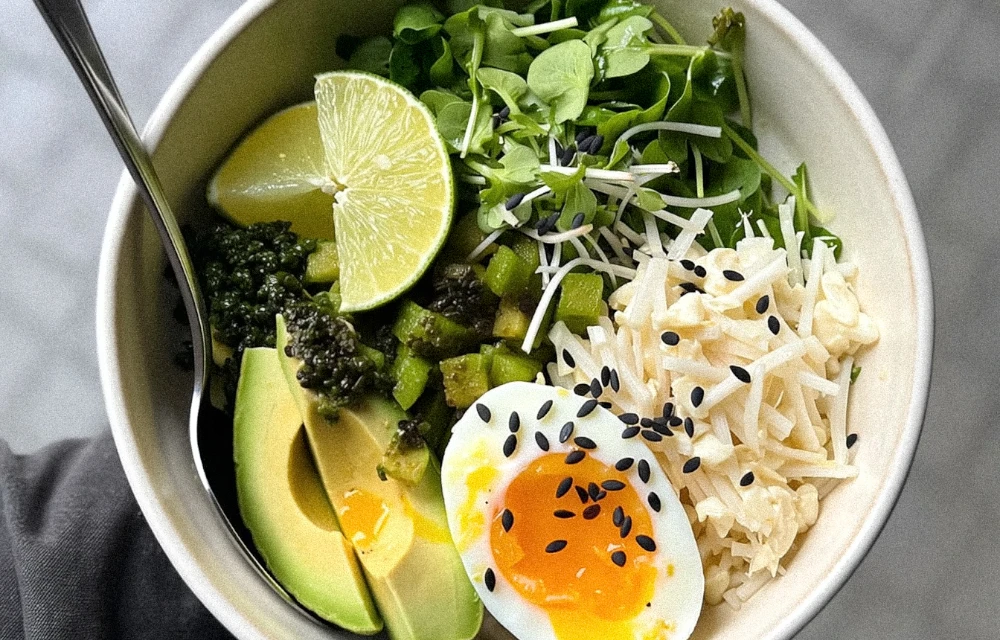
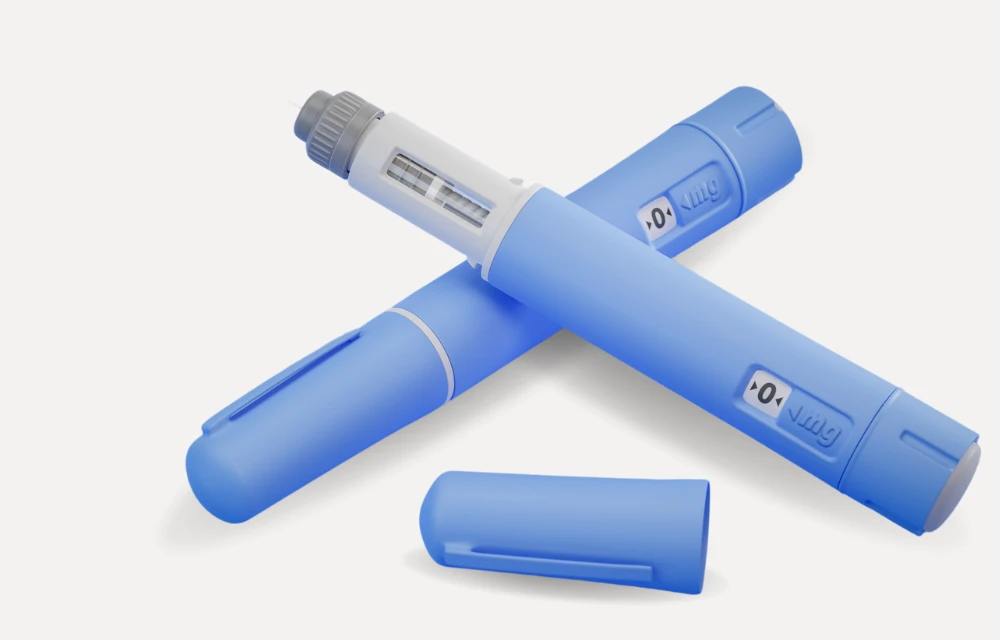
GLP-1 medications have emerged as a popular medically supervised weight loss option. These treatments regulate appetite and reduce cravings. However, medication alone is insufficient—nutrition remains critical for treatment effectiveness and wellbeing.
Expert featured: Kaitlin Stone, DNP, FNP-BC — Director of Telemedicine | Aesthetic Injector.
Understanding GLP-1 Medications and Appetite Effects
GLP-1 receptor agonists act on receptors throughout the body (brain, gut, pancreas, liver) to regulate appetite, digestion, and blood sugar. Common medications include semaglutide and tirzepatide.
According to Kaitlin Stone: "GLP-1 medications help patients feel full more quickly, quiet cravings, and extend the feeling of fullness by slowing digestion. They also work to regulate insulin, which can help reduce excess fat storage."
Primary mechanisms: reduce hunger signals in the brain, increase early satiety, extend fullness duration between meals, slow gastric emptying.
Stone emphasizes: "GLP-1 medications may suppress thirst just like they suppress hunger." Target at least 64 ounces of water daily.
Essential Nutritional Principles for GLP-1 Success
Protein Priority — "Protein is non-negotiable on a GLP-1. While these medications help with fat loss, muscle loss can also occur, and protein helps protect against that!"
Nutrient Density — With reduced appetite capacity, food selection quality becomes paramount. Whole, minimally processed foods deliver essential vitamins and minerals in smaller portions.
Fiber Inclusion — Fiber supports gut health, manages constipation, and regulates blood sugar. Most people achieve optimal results targeting 25–35 grams daily.
Healthy Fat Inclusion — Prioritize quality sources: olive oil, avocado, nuts, seeds, and fatty fish.
Hydration — Target at least 64 ounces of water daily.
Consistent Eating Patterns — Regular meal timing prevents under-eating and maintains steady energy levels.
Building Your GLP-1 Meal Plan
High-priority foods: lean proteins (chicken, turkey, fish, eggs, Greek yogurt, cottage cheese, tofu, legumes), non-starchy vegetables, fiber-rich foods, healthy fats, complex carbohydrates (moderate portions), probiotic-rich foods.
Foods to limit: greasy/fried foods, ultra-processed items, sugary drinks, large portions, and alcohol.
Sample Daily Meal Plan on GLP-1 Medications
Breakfast: Greek yogurt parfait with berries, chia seeds, sliced almonds (≈30g protein, 10g fiber)
Mid-morning snack: Two hard-boiled eggs with baby carrots (≈12g protein, 4g fiber)
Lunch: Grilled chicken salad with mixed greens, avocado, olive oil dressing, small quinoa serving (≈35g protein, 9g fiber)
Afternoon snack: Protein smoothie with spinach, banana, protein powder, almond butter (≈25g protein, 5g fiber)
Dinner: Baked salmon with roasted vegetables and small sweet potato (≈30g protein, 8g fiber)
Managing Common Side Effects Through Diet
Stone notes: "Having a strong relationship with your provider is key. Many side effects can be minimized by focusing on protein, fiber, fluids, and regular movement."
Nausea: Consume smaller, more frequent meals; choose bland foods; avoid greasy or very sweet options; try ginger tea.
Constipation: Gradually increase fiber intake; maintain excellent hydration; incorporate regular movement; include probiotic-rich foods.
Early Satiety: Start meals with protein; eat slowly; use smoothies or soups on difficult days.
Fatigue: Balanced meals containing protein, carbohydrates, and healthy fats support energy. Persistent fatigue warrants provider consultation.
Exercise and Movement
Stone encourages: "Prioritize moving daily and incorporate strength training several times per week. While GLP-1s help with weight loss, exercise helps determine where that weight comes from."
Common Mistakes to Avoid
- Insufficient caloric intake
- Meal skipping
- Neglecting protein consumption
- Ignoring hydration needs
- Relying on processed diet foods
- Eliminating entire food groups
- Comparing personal progress to others' journeys
The Takeaway
GLP-1 medications represent powerful weight loss tools, but lasting success requires pairing treatment with thoughtful nutrition, movement, and ongoing provider support.