Skin Health
4 min
How to Treat Rosacea: Symptoms, Triggers, and the Best Treatment Options
April 2026
Prescription Skincare
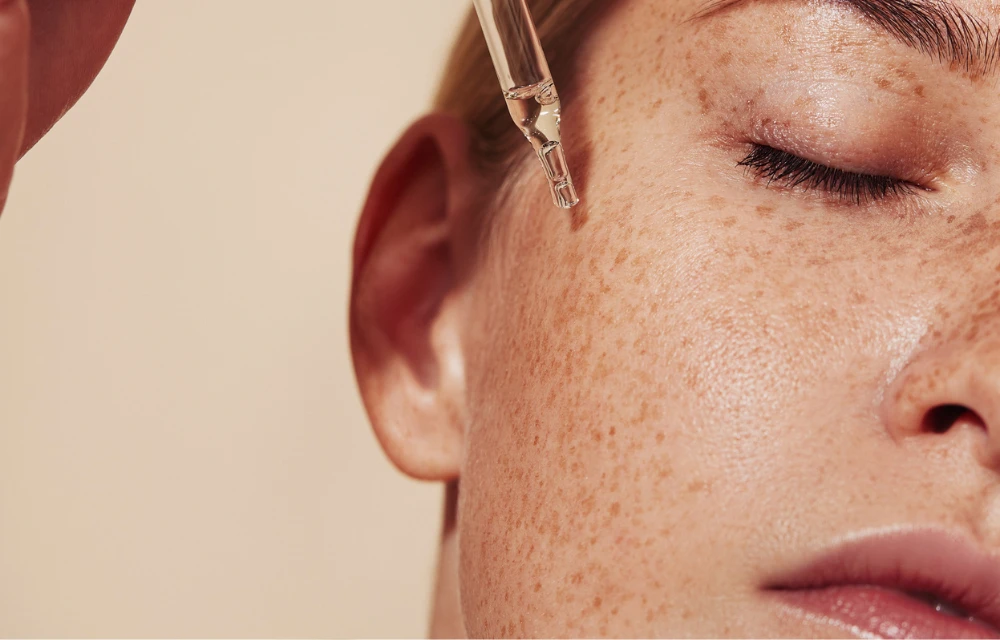
Retinol is a form of vitamin A—one of the most studied and effective ingredients in all of dermatology. It belongs to a class of compounds called retinoids, which include both over-the-counter options (retinol, retinaldehyde) and prescription-strength versions (tretinoin, tazarotene).
When applied topically, retinol is converted by the skin into retinoic acid—the active form that actually delivers results. This conversion process is why retinol is gentler than prescription tretinoin (which is already in its active form) but also why it takes longer to produce results.
Retinol works by:
- Accelerating cell turnover — speeding up the skin's natural renewal cycle
- Stimulating collagen production — thickening the dermis over time
- Regulating sebum production — helpful for acne-prone skin
- Inhibiting melanin transfer — fading dark spots and evening skin tone
Retinol is appropriate for most adults. Particularly beneficial for:
- Anyone over 25 who wants to prevent or address early signs of aging
- Patients with persistent acne or clogged pores
- Anyone with hyperpigmentation, rough texture, or dullness
- Those not yet ready for prescription-strength tretinoin
If over-the-counter retinol isn't giving you the results you want after 3–6 months, it may be time to talk to a provider about prescription tretinoin. Skin Clique offers skincare consultations where providers can prescribe the right retinoid for your skin.
Skin Clique
Board-Certified Medical Providers
April 2026
March 2026
November 2025
Skin Clique providers receive 5x more training than the national average and most travel to your home or office.