Rosacea ranks among the world's most prevalent chronic skin conditions, yet remains frequently misunderstood and misidentified. Management is achievable, allowing individuals to reduce symptoms, manage flare-ups, and restore confidence in their appearance.
What Is Rosacea?
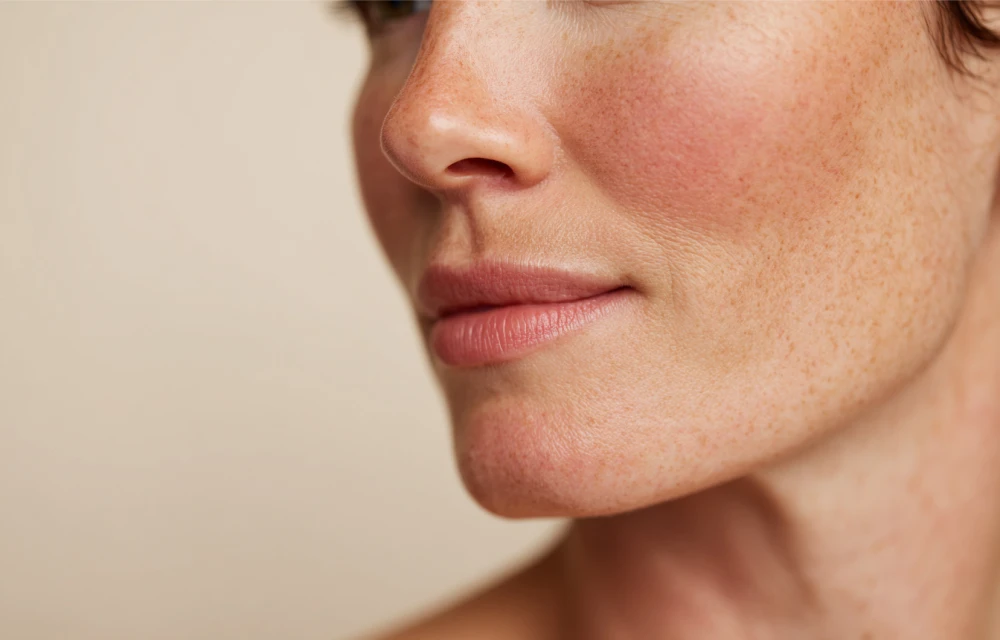
The condition presents as chronic facial involvement characterized by persistent redness and visible blood vessels, acne-like bumps and pustules (commonly confused with regular breakouts), and concentrated sensitivity on the nose and cheeks. "Rosacea is not acne." This distinction matters because standard acne treatments can intensify symptoms. Four subtypes exist: erythematotelangiectatic (redness/flushing), papulopustular (bumps/pustules), phymatous (skin thickening), and ocular (eye involvement). Fair-skinned individuals receive diagnoses most frequently.
Rosacea Symptoms: What to Look For
- Persistent facial redness (erythema), especially across nose and cheeks
- Frequent flushing or blushing triggered by heat, food, or emotion
- Visible blood vessels (telangiectasia)
- Bumps or pustules resembling acne but distinctly different
- Skin sensation of heat, sensitivity, itching, or tightness
- Advanced cases: ocular rosacea (eye redness/irritation) or rhinophyma (nasal skin thickening)
The condition is neither contagious nor caused by poor hygiene.
Common Rosacea Triggers
Triggers vary significantly between individuals but frequently include:
- Sun exposure (most significant and consistent trigger)
- Heat (weather, beverages, saunas, hot showers)
- Diet (spicy foods, alcohol, especially red wine)
- Exercise and physical exertion
- Emotional stress
- Skincare ingredients (alcohol, fragrance, harsh actives)
- Extreme cold or wind
- Certain medications (vasodilators, topical steroids)
Maintaining a trigger diary represents a practical initial approach.
How Is Rosacea Diagnosed?
Clinical diagnosis occurs through visual examination and comprehensive patient history; no single definitive laboratory test exists. The condition shares features with acne, seborrheic dermatitis, lupus, and contact dermatitis, making accurate diagnosis essential.
Rosacea Treatment Options
Management is possible, though cure is not achievable. Topical prescription medications represent first-line treatment:
- Metronidazole: Reduces inflammation and calms redness
- Azelaic acid: Targets bacteria and soothes reactive skin
- Ivermectin: Reduces inflammatory rosacea bumps and pustules
Skin Clique's Calming Cream combines these three ingredients plus niacinamide and zinc pyrithione.
Building a Rosacea-Friendly Skincare Routine
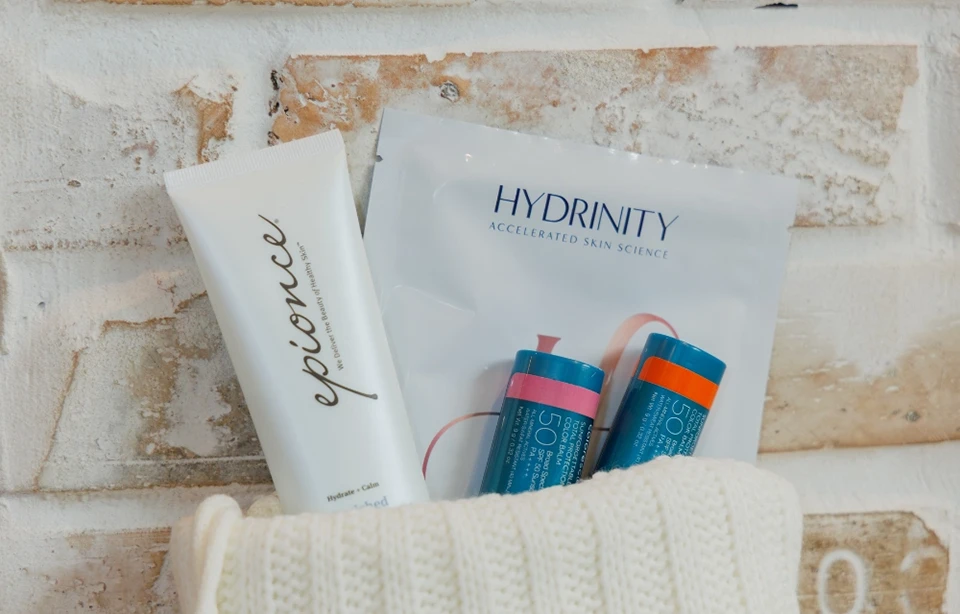
Step 1: Cleanse — Fragrance-free, non-foaming cleansers protect the skin barrier. The Hydrinity Prelude Facial Treatment Cleanser suits sensitive, reactive skin.
Step 2: Treat — Barrier-repairing ingredients (ceramides, niacinamide, hyaluronic acid) are prioritized. ZO Rozatrol and SkinCeuticals All Calm Multi-Correction Serum recommended.
Step 3: SOS Mask (as needed) — SkinCeuticals Phyto Corrective Masque addresses reactive skin periods.
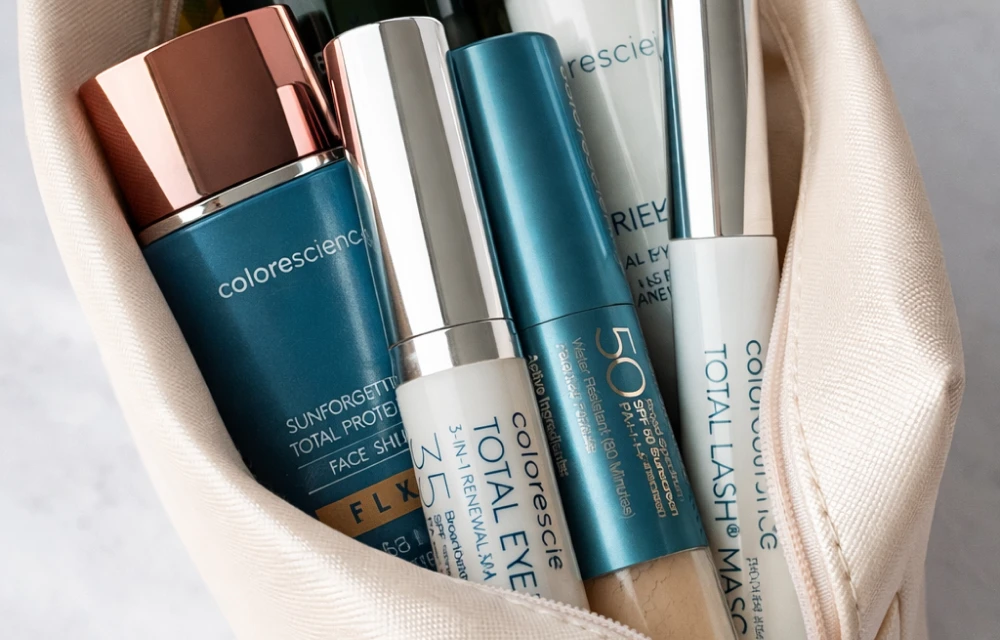
Step 4: SPF (daily) — Mineral sunscreens with zinc oxide or titanium dioxide are better tolerated than chemical filters. SkinCeuticals Physical Fusion UV Defense SPF 50 recommended.
What to avoid: High-concentration retinols (until skin stabilizes), fragrance, witch hazel, alcohol-based toners, multiple simultaneous new product introductions.
When to See a Provider for Rosacea
Consultation is appropriate when:
- Redness persists beyond several weeks despite lifestyle modifications
- Symptoms impact confidence or daily functioning
- Over-the-counter products show no improvement after four to six weeks
- Flares increase in frequency or new pustules develop
- Ocular symptoms emerge
Frequently Asked Questions
Is rosacea permanent? Rosacea qualifies as chronic, persisting without spontaneous resolution. Appropriate treatment substantially reduces symptoms.
What is the best treatment for rosacea on the face? Optimal treatment depends on subtype, severity, and skin type. Most effective combinations include topical prescription treatment, trigger management, and gentle SPF-focused daily skincare.
Can diet affect rosacea? Yes. Common dietary triggers include spicy foods, alcohol (red wine especially), and hot beverages.
Can rosacea be mistaken for acne? Yes. Key distinctions: rosacea involves "persistent facial redness and flushing" (acne lacks this), rosacea rarely produces blackheads or whiteheads, and acne treatments can worsen rosacea.
What calms down a rosacea flare-up? Cool the skin via gentle cold compress, strip back routines to cleanser/fragrance-free moisturizer/SPF, remove suspected triggers, apply topical prescription cream as directed.