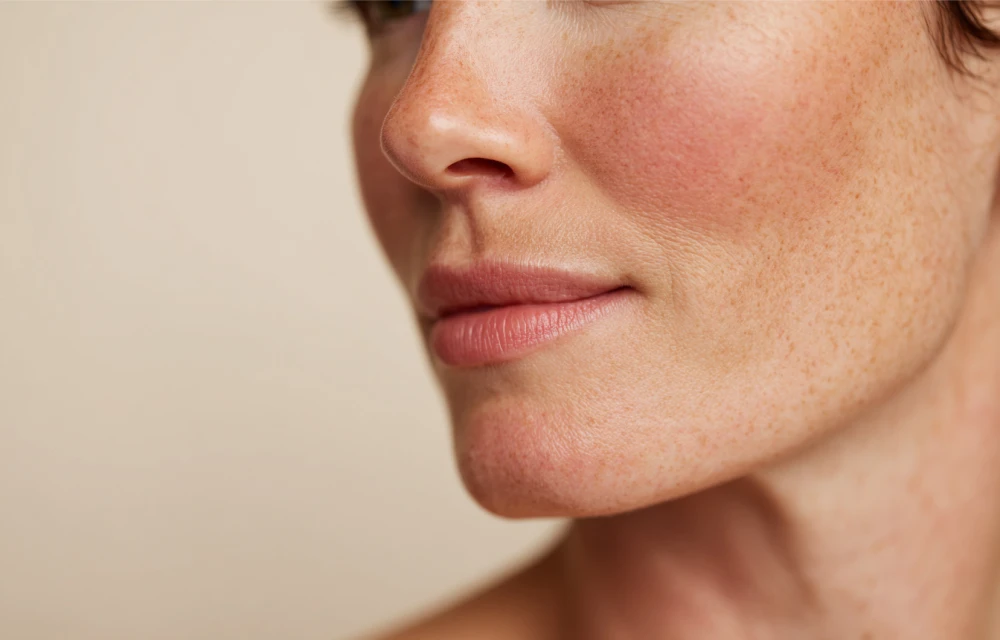
Skin Health
4 min
How to Treat Rosacea: Symptoms, Triggers, and the Best Treatment Options
April 2026
Prescription Skincare

Not all post-acne marks are the same. Understanding what type of scarring you have will help you choose the most effective ingredients.
Inhibits melanin production and fades dark spots over time. Use in the morning before SPF.
Reduces pigmentation transfer and brightens skin tone evenly. Gentle enough for daily use.
Highly effective tyrosinase inhibitor (reduces melanin production). Works well alongside vitamin C.
Targets multiple pathways of melanin production. Particularly effective for PIH and melasma.
Anti-inflammatory and melanin-inhibiting. Great for sensitive skin and rosacea-prone types.
Accelerate cell turnover, helping dark marks fade more quickly. Prescription tretinoin is the gold standard.
Stimulate collagen production and skin cell renewal — the most evidence-backed at-home treatment for textural scarring.
Support collagen synthesis over time with lower irritation potential than retinoids.
Surface-level exfoliation helps improve texture and fade pigment simultaneously.
For deeper textural scars, topical ingredients have limited reach. Professional treatments like microneedling, chemical peels, and laser resurfacing create controlled injury that stimulates significant collagen remodeling — producing results that skincare alone cannot achieve.
A Skin Clique skincare consultation can help you determine whether an at-home routine, professional treatment, or combination approach is right for your scar type.
Skin Clique
Board-Certified Medical Providers
April 2026
March 2026
November 2025
Skin Clique providers receive 5x more training than the national average and most travel to your home or office.