
Skin Health
4 min
How to Treat Rosacea: Symptoms, Triggers, and the Best Treatment Options
April 2026
Prescription Skincare
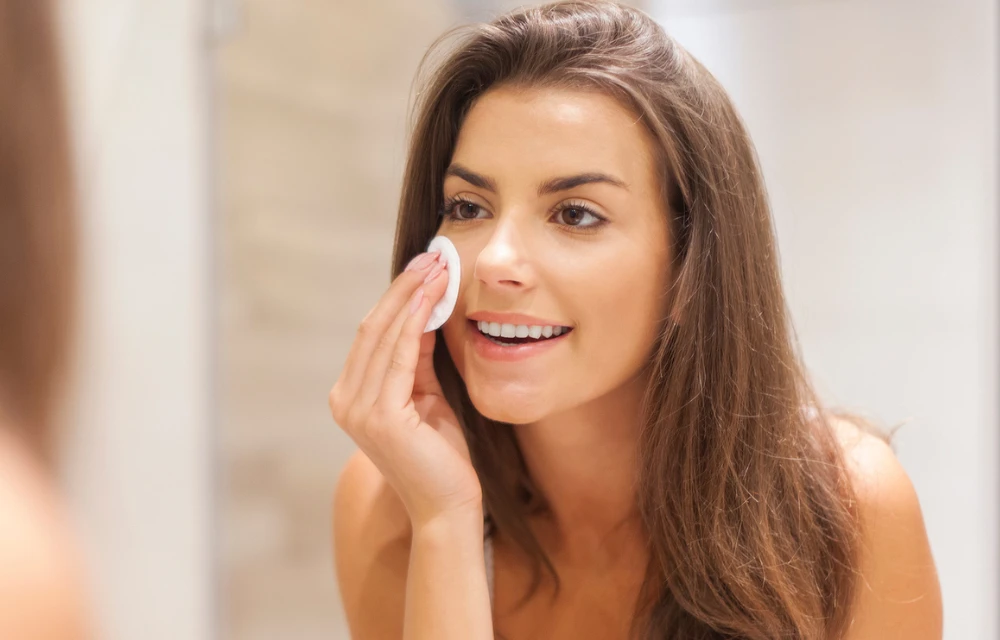
Your skin does most of its repairing while you sleep. At night, cell turnover accelerates and your skin is more receptive to treatment ingredients. A thoughtful PM routine takes advantage of this natural healing window.
Start with an oil-based cleanser or micellar water to break down sunscreen and makeup. Follow with your regular water-based cleanser to remove remaining impurities. This two-step method ensures your skin is truly clean before applying treatments.
A hydrating or exfoliating toner can prep skin for better absorption of serums. Use a gentle AHA toner (glycolic or lactic acid) 2–3 nights a week if you want to support cell turnover without irritation.
Nighttime is ideal for more potent treatment serums:
- Retinol or retinaldehyde — for anti-aging and cell renewal
- Niacinamide — for pore minimizing and brightening
- Peptides — for collagen support
Start with retinol slowly—2–3 nights per week—to allow your skin to adjust.
Apply a dedicated eye cream to the under-eye area and lid. Look for ingredients like caffeine, retinol (if your skin tolerates it), and peptides.
Use a richer, more nourishing moisturizer at night than you would during the day. Look for ingredients like ceramides, shea butter, squalane, or hyaluronic acid.
For extra hydration, seal everything in with a facial oil or an overnight sleeping mask 1–2 nights per week.
Consistency is key. Even a simple three-step routine performed nightly will yield better results than an elaborate routine done sporadically.
Skin Clique
Board-Certified Medical Providers
April 2026
March 2026
November 2025
Skin Clique providers receive 5x more training than the national average and most travel to your home or office.