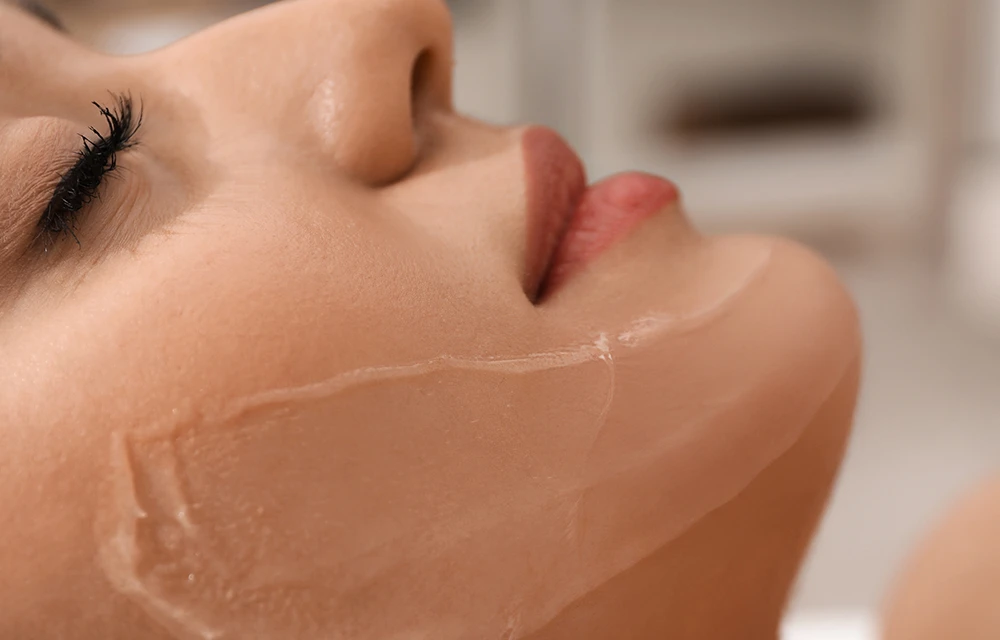
People often hear success stories about achieving a "fresh face," yet simultaneously encounter cautionary tales about adverse reactions. This comprehensive guide is for those curious yet hesitant about this skincare treatment.
What are chemical peels and how do they work?
A chemical peel uses "a specialized blend of acids or exfoliating agents to remove the top layers of skin," functioning as a skin renewal mechanism. Common ingredients include alpha hydroxy acids (lactic acid, glycolic acid), beta hydroxy acids (salicylic acid), trichloroacetic acid, and phenol. The treatment works by dissolving damaged surface cells, triggering "your skin's natural renewal mechanisms" to address hyperpigmentation, fine lines, breakouts, and texture concerns.
What are the benefits of a chemical peel?
- Smoother texture: Removes rough or dry cells, leaving "softer, silkier skin"
- Even tone: Lightens dark spots, sun damage, or post-acne marks
- Reduced fine lines: Mild to moderate wrinkles may improve through cell resurfacing
- Improved acne: Ingredients like salicylic acid target pore-clogging debris
- Brighter glow: Unveils newer cells that "reflect light better"
- Boosted absorption: Post-peel moisturizers and treatments penetrate more effectively
What types of skin concerns can a chemical peel treat?
- Sun-damaged skin with discoloration and rough patches
- Uneven pigmentation (melasma, age spots)
- Acne-prone skin and breakouts
- Acne scars (shallow ones via surface remodeling)
- Fine lines and wrinkles (mild to moderate)
- Dull, rough texture
Who is a good candidate for a chemical peel?
Ideal candidates are generally healthy individuals addressing surface-to-moderate concerns. Key considerations:
- Skin tone: Darker complexions require careful peel selection to avoid unwanted pigmentation changes
- Skin health: Active infections, open wounds, or conditions like psoriasis need caution
- Recent treatments: Waiting periods may be necessary after other cosmetic procedures
- Medications: Retinoids and certain prescriptions may increase sensitivity
What happens during a chemical peel procedure?
- Assessment and cleansing: Provider reviews skin and removes makeup and oils
- Skin preparation: Prepping solutions may be applied for even penetration
- Peel application: Chemical mixture applied via brush or gauze; "you may feel a tingling or mild burning sensation"
- Timing: Solution remains for a predetermined period (minutes to longer for deeper peels)
- Neutralization: Some solutions self-deactivate; others require neutralizing rinse
- Post-peel care: Soothing ointment or moisturizer applied; aftercare instructions provided
Session duration ranges from 15 minutes (light peels) to an hour (deeper treatments).
How should you prepare for a chemical peel?
- Limit sun exposure: Avoid intense sunbathing or tanning beforehand
- Pause certain products: Discontinue retinoids, exfoliating scrubs, or strong acne medications for one to two weeks
- Cleanse gently: Clean skin and minimal makeup on treatment day
- Schedule strategically: Plan around important events, as "you might be peeling for several days after"
- Medical disclosure: Share medical history, allergies, and current medications with your provider
What does recovery look like after a chemical peel?
Light peels: Mild flaking or dryness with minimal redness lasting one to two days. Gentle moisturizers and sun protection suffice.
Medium peels: Several days of redness, possible swelling, followed by noticeable exfoliation resembling sunburn peeling. Hydration, mild cleansing, and prescribed aftercare products are essential.
Deep peels: Heavier peeling, swelling, possible crusting. Special healing protocols required; time off work or social events may be necessary.
All recovery phases require strict sun protection, as "your skin will be more sensitive to UV rays."
Are there risks or side effects associated with chemical peels?
- Redness and irritation: Standard for a few days; severity depends on peel depth
- Pigmentation changes: Hyperpigmentation or hypopigmentation may occur
- Scarring (rare): Most individuals won't scar with proper administration
- Infection (rare): Small risk exists with any skin-affecting procedure
How often should you get a chemical peel?
- Light peels: Every four to six weeks for addressing acne or uneven tone
- Medium peels: Every few months, allowing adequate healing between sessions
- Deep peels: Once or infrequently; some may never need repetition