
Careers
1 min
How to Become an Aesthetic Injector in Chicago: Complete Guide
July 2025
PDGF
Careers
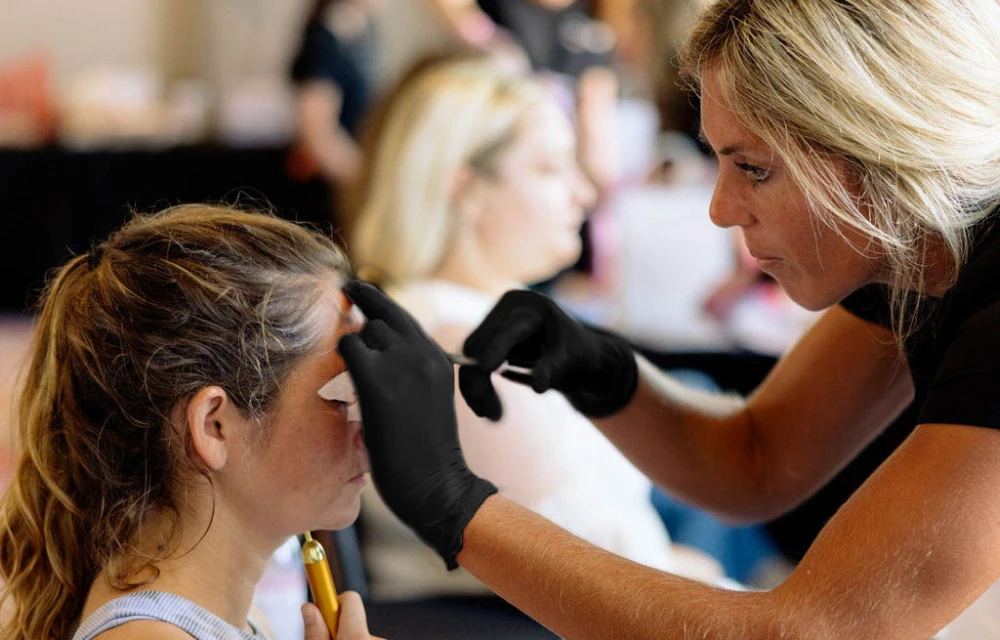
Aesthetic medicine represents a growing employment sector attracting clinical professionals. However, entry barriers exist due to unique regulatory frameworks and requirements.
Aesthetic medicine lacks a unified certified medical board (except plastic surgery). State-by-state regulations vary significantly. Texas permits entry with esthetician licensing or trade certification, while Florida requires Nurse Practitioner, Physician Assistant, Dermatologist, or Plastic Surgeon credentials.
The field presents entry-level challenges without prior neurotoxin or dermal filler administration experience. Recommended pathways include:
Aesthetic training programs from third-party companies are widely available. Quality programs should include:
Direct mentorship provides insight into clinical decision-making, patient interaction, and professional conduct. Understanding aesthetics extends beyond medicine to "bring joy and happiness to patients."
Industry strategies include:
Skin Clique offers comprehensive clinical education combining hands-on training with medical expertise. Applicants complete the training program and become certified Skin Clique providers.
Skin Clique
Board-Certified Medical Providers
Skin Clique providers receive 5x more training than the national average and most travel to your home or office.