
Aesthetic Treatments
4 min
Lip Filler Aftercare: Essential Tips for Perfect Results
February 2026
Fillers
Ingredients
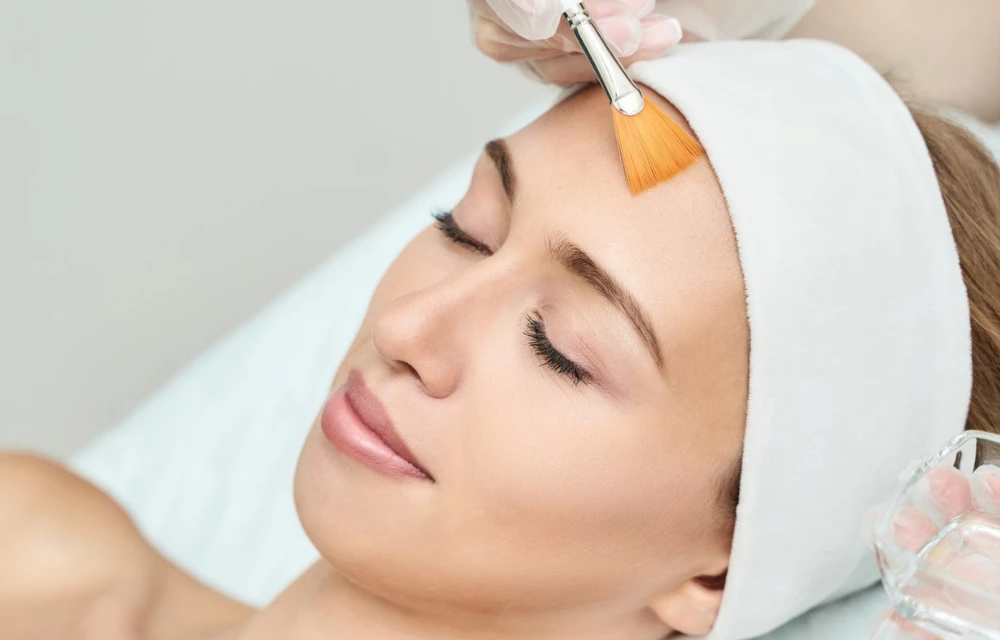
A chemical peel uses an acid solution to exfoliate the outer layers of skin, revealing fresher, smoother skin underneath. Peels vary widely in strength, depth, and recovery time—and choosing the right type depends on your skin concerns, skin tone, and lifestyle.
These target the outermost layer of skin (epidermis) and cause minimal to no visible peeling. They're ideal for:
- Mild dullness or uneven texture
- Light hyperpigmentation
- First-time peel patients
Common acids: Glycolic acid (10–30%), lactic acid, mandelic acid, salicylic acid
Downtime: None to minimal — slight redness for 12–24 hours
These penetrate into the upper dermis and cause more significant exfoliation and flaking. Ideal for:
- Moderate sun damage
- Fine lines and wrinkles
- Acne scarring
- More significant hyperpigmentation
Common acids: TCA (trichloroacetic acid) 20–35%, Jessner's solution
Downtime: 5–7 days of visible peeling and redness
Penetrate the mid-dermis and produce dramatic results but require significant recovery time and careful patient selection.
Common agents: Phenol, high-concentration TCA
Downtime: 2+ weeks; requires provider supervision throughout healing
Note: Deep peels are not appropriate for all skin tones — the risk of pigmentation changes increases in medium to deep skin.
| Concern | Recommended Peel Depth |
|---|---|
| Dull, tired-looking skin | Superficial |
| Fine lines | Superficial to medium |
| Acne + breakouts | Superficial (salicylic) |
| Acne scarring (light texture) | Medium |
| Hyperpigmentation | Superficial to medium (depends on skin tone) |
| Deep wrinkles | Medium to deep |
Medium to deep skin tones require extra caution with chemical peels, as peels can trigger post-inflammatory hyperpigmentation. Superficial peels with mandelic or lactic acid are generally safer options, and a thorough consultation with an experienced provider is essential.
Skin Clique providers perform thorough skin assessments before recommending any chemical peel protocol.
Skin Clique
Board-Certified Medical Providers
February 2026

December 2025

October 2025
Skin Clique providers receive 5x more training than the national average and most travel to your home or office.