
Aesthetic Treatments
4 min
Lip Filler Aftercare: Essential Tips for Perfect Results
February 2026
Fillers
Ingredients
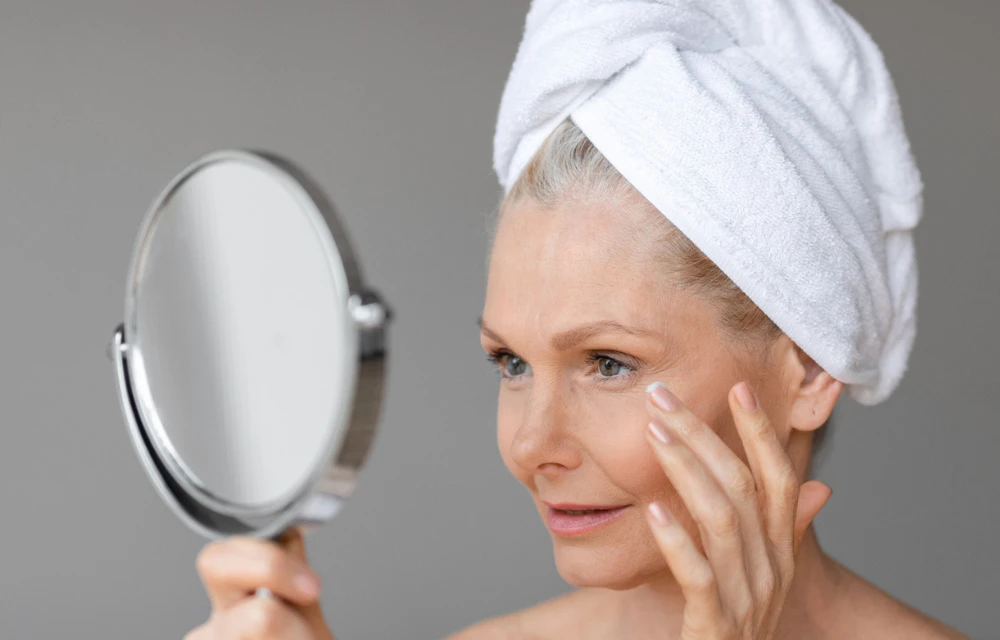
Under-eye bags (puffiness) and dark circles are often confused, but they're distinct concerns with different causes and treatments.
The two often occur together, but treating one doesn't necessarily treat the other.
Constrict blood vessels and reduce puffiness temporarily. Apply a cold (not frozen) compress for 10–15 minutes in the morning.
Caffeine constricts blood vessels and reduces fluid accumulation. Look for eye creams with caffeine as a top-5 ingredient. Apply gently with your ring finger using tapping motions.
Fluid pools when lying flat. Sleeping on a slightly elevated pillow reduces overnight accumulation.
Both cause water retention. Reducing intake (especially the evening before) can noticeably reduce morning puffiness.
For structural puffiness (fat herniation), filler placed in the adjacent tear trough can create a smoother transition between the eyelid and cheek, reducing the appearance of bags by softening the shadow and creating visual continuity.
For chronic bags that don't respond to at-home care, a provider can assess whether prescription treatments, lifestyle modifications, or a referral to an oculoplastic surgeon are appropriate.
The most dramatic structural cases may eventually require surgical intervention — but many patients find significant improvement with filler and a targeted at-home routine first.
Skin Clique
Board-Certified Medical Providers
February 2026

December 2025

October 2025
Skin Clique providers receive 5x more training than the national average and most travel to your home or office.