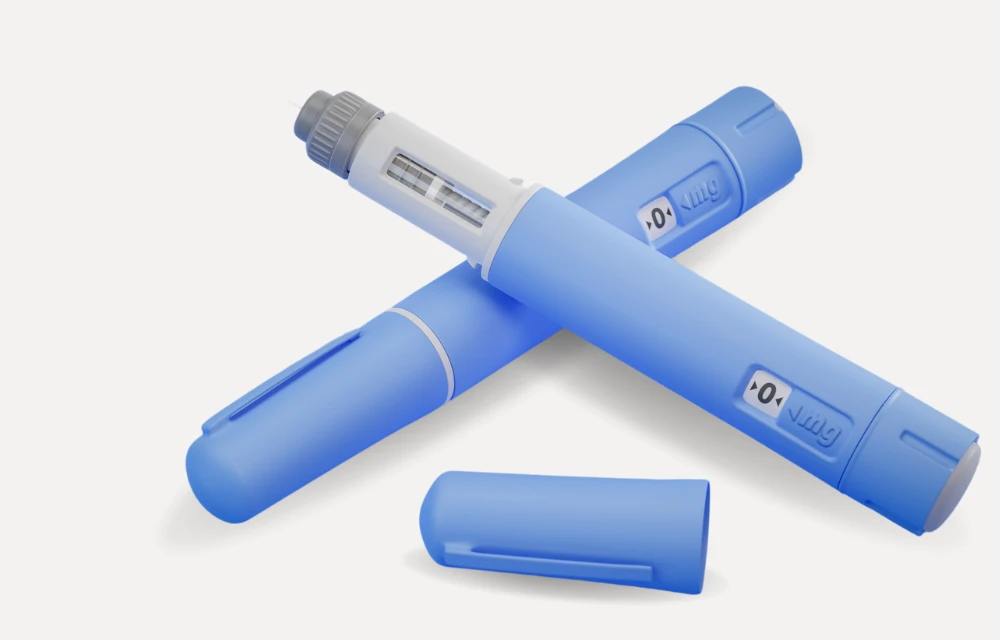
GLP-1 receptor agonists and newer dual GIP/GLP-1 medications have fundamentally changed how we approach weight management and blood sugar control. What started as an effective treatment for type 2 diabetes has grown into one of the most powerful, medically guided tools available for long-term metabolic health!
These medications are now available to patients in both injectable and oral formulations. They work through a similar mechanism, but how they're absorbed, how often you take them, and how effective they are can vary significantly. Understanding the differences between oral vs injectable GLP-1 options can help you walk into your next appointment feeling informed and ready to ask the right questions.
Important note: This educational guide is intended to aid discussions with your healthcare provider and not as a substitute for individual medical advice.
Meet the Expert
Dr. Sarah Allen, MD | Founder and Chief Medical Officer of Skin Clique
What Are GLP-1 Medications?
GLP-1 stands for glucagon-like peptide-1, a hormone your body naturally releases after you eat. It plays a key role in regulating blood sugar, triggering insulin release, and signaling to your brain that you're full.
GLP-1 receptor agonists are medications that mimic this hormone. When combined with lifestyle changes, they help improve blood sugar control, reduce appetite, and support weight loss. Semaglutide, one of the most well-known GLP-1 medications, is now available as both a weekly injection and a daily oral tablet, giving patients more flexibility than ever before!
There are also newer "dual agonists" like Tirzepatide that target both GLP-1 and GIP receptors, offering additional metabolic benefits for certain patients.
How GLP-1 Medications Work
Whether you're taking a daily oral tablet or a weekly injection, the core mechanism is the same. GLP-1 medications slow digestion, so you feel full for longer, reduce appetite and food cravings, improve insulin secretion in response to meals, and support A1C reduction in people with type 2 diabetes. Some patients have also experienced cardiovascular benefits.
These medications support weight management by addressing appetite and blood sugar levels simultaneously, going beyond just calorie limitation.
The Different Forms Available
Here's a quick breakdown of the main options currently on the market:
- Oral Semaglutide tablets — a daily pill
- Injectable Semaglutide — a weekly self-injection
- Dual agonists like Tirzepatide — weekly injections that target both GLP-1 and GIP receptors
It's worth noting that not all formulations are FDA-approved for chronic weight management. Some are approved specifically for blood sugar control, while others carry the official indications for weight loss. Your provider can help clarify which prescription makes sense for your specific goals.
Why the Delivery Method Matters
Here's something that often surprises people: two medications can contain the same active ingredient and still perform very differently in your body, all because of how they're delivered. This comes down to bioavailability, which is essentially how much of a medication actually enters the bloodstream and starts working.
The delivery method affects how well the medication is absorbed, how often you need to take it, what side effects you might experience, how easy it is to stay consistent, and how well it fits into your everyday life. It's a bigger deal than most people expect!
Oral GLP-1 Medications: What You Need to Know
Oral Semaglutide is a daily pill form, but it's not quite like taking a typical vitamin or antibiotic. Because your digestive system naturally breaks down peptide-based medications, the oral Semaglutide formulation uses a special absorption enhancer to help a small amount of the drug survive long enough to enter your bloodstream. Even with this technology, bioavailability is very low, typically around 1%, meaning only a small fraction of each oral dose actually becomes active in your body.
To maximize absorption, strict timing rules need to be followed:
- Take it on an empty stomach
- Use only a small amount of water
- Wait at least 30 minutes before eating, drinking anything else, or taking other medications
Consistently following the routine will make the medication an effective dose, but frequently deviating from it will likely lead to poor results.
Some patients love the familiarity of a daily pill and the fact that there's no needle involved. Others find the rigid morning routine challenging, especially when traveling or if you have an unpredictable schedule. As one Skin Clique provider explains, "Oral GLP-1 can be a great fit for patients who are disciplined with routine and strongly prefer not to inject. However, adherence is key. Missing doses or not following the empty-stomach protocol can reduce effectiveness."
In clinical trials, oral Semaglutide medications have shown real results for blood sugar control and produce modest weight loss, typically in the range of 5 to 10% of total body weight.
Injectable GLP-1 Medications: What You Need to Know
Injectable Semaglutide skips the digestive system entirely. Because it's injected just under the skin, it enters the bloodstream much more directly, which makes a significant difference in how much active medication your body actually receives.
Most people take injectable Semaglutide once a week, which tends to keep drug levels more consistent and is often easier to maintain since there's no daily timing window to manage. If the idea of self-injecting gives you pause, you're not alone! Modern injection devices are small, discreet, and designed to be as simple as possible. Most patients become comfortable with the process quickly with a little guidance from their provider.
A few practical things to keep in mind:
- Pens typically require refrigeration before first use
- Storage during travel needs some planning ahead
- Used needles need to be disposed of safely
Because injectable Semaglutide delivers far more active medication into your system. Clinical outcomes consistently show significantly greater weight loss than oral forms, with average results of 15 to 20% of total body weight depending on maximum dose and individual factors.
Dr. Allen explains, "Injectable GLP-1 offers stronger efficacy for weight loss because more of the medication reaches systemic circulation. For patients with significant weight goals or cardiovascular risk factors, that difference can be clinically meaningful."
Oral vs Injectable GLP-1: Side-by-Side Comparison
Absorption and Bioavailability
Because injectable Semaglutide bypasses digestion entirely, far more of the medication reaches your bloodstream compared to the oral version. This is the primary reason the two forms produce such different weight loss outcomes, and it's the most important distinction to understand when weighing your options.
Dosing Frequency
Oral Semaglutide is taken daily with strict empty-stomach timing, while injectable semaglutide is administered once a week with no daily routine required. Neither is objectively better. It really comes down to which approach you can realistically stick to long-term.
Effectiveness for Weight Loss
Clinical trials tell a clear story. Injectable Semaglutide produces an average total body weight loss of roughly 15 to 20%, while oral Semaglutide produces an average of 5 to 10%. Both improve blood sugar control and A1C levels meaningfully, but if significant weight loss is your primary goal, the injectable version has a real clinical edge!
Side Effects and Tolerability
Both forms of Semaglutide contain side effect profiles that are very similar. The most common ones are gastrointestinal and include:
- Nausea
- Vomiting
- Diarrhea
- Constipation
- Reduced appetite
Some people report more frequent GI symptoms with the oral form due to daily dosing, while others notice that injectable side effects tend to peak around injection day. Individual responses vary, which is why staying in close contact with your provider matters.
Staying Consistent
Whichever form you choose, consistency is everything. Missing doses, skipping the empty-stomach protocol, or not titrating correctly can all chip away at your weight loss results. Having a provider in your corner throughout the process makes a meaningful difference in long-term outcomes.
Safety Considerations
Because both forms use the same active ingredient, they share a similar safety profile. The most common side effects are digestive and usually show up during dose escalation, which is exactly why starting at a lower dosage and increasing gradually is so important.
Patients who may need closer monitoring include those with a history of pancreatitis, gallbladder disease, severe gastrointestinal conditions, or thyroid cancer risk factors. As Dr. Allen notes, "These medications are powerful tools, but they require medical oversight. Monitoring labs, reviewing contraindications, and adjusting dose appropriately ensures both safety and effectiveness."
The good news is that side effects often ease up after the first few weeks, especially when doses are increased slowly, and small dietary adjustments are made along the way!
How These Medications Fit Into Real Life
Clinical effectiveness matters, but so does whether a medication actually works with your lifestyle. A daily pill might feel more routine and familiar, but the strict morning timing can be a real obstacle for people with unpredictable schedules or those who travel frequently. A weekly injection requires needle administration and proper storage, but it also means you're not thinking about your medication every single morning.
On the practical side, oral tablets are generally easier to travel with since they don't require refrigeration, while injectable pens need a bit more planning. Cost and insurance coverage can also vary between formulations, and supply availability can shift over time, so it's worth having a conversation with your provider about all of these factors before making a decision.
Related Article: GLP-1 Diet: Complete Nutrition Guide for Weight Loss Success
Which Option Is Right for You?

There's no universal right answer here! The best GLP-1 medication is the one that matches your health goals, fits your lifestyle, and is something you can actually sustain over the long term.
Injectable Semaglutide may be a good fit if you:
- Have significant weight loss goals
- Prefer weekly over daily dosing
- Want maximum effectiveness and bioavailability
- Have cardiovascular risk factors
- Travel often and want more flexibility
- Are you comfortable with self-injection
Oral Semaglutide may be a good fit if you:
- Have a strong aversion to needles
- Have more modest weight loss goals
- Can reliably follow a consistent morning routine
- Prefer the simplicity of a daily tablet
- Don't mind the strict empty-stomach requirements
Questions Worth Bringing to Your Provider
- What are my primary treatment goals?
- Do I have any contraindications to either form?
- What will my insurance cover?
- Can I realistically commit to the daily timing requirements of the oral version?
- What results should I realistically expect?
- If one form isn't working well, can I switch?
As Dr. Allen says, "Medication choice should feel collaborative. The goal is long-term health, not short-term convenience."
Frequently Asked Questions
Is oral GLP-1 actually effective for weight loss?
Yes! Oral Semaglutide produces real improvements in blood sugar control and meaningful weight loss. That said, clinical trials show that injectable Semaglutide leads to greater total weight reduction due to higher bioavailability. How consistently you take it and whether you follow the proper protocol also play a big role in your results.
Can you switch from injectable to oral GLP-1?
Switching is possible, but only under medical supervision. There's no simple one-to-one dose conversion, so the transition needs to be managed carefully. Never adjust your dosing or switch formulations without talking to your provider first.
Do oral tablets and injectable GLP-1 medications cause the same side effects?
Largely yes, since the active ingredient is the same. Some people tolerate one form better than the other, which is one more reason to keep an open line of communication with your provider throughout treatment.
How long before you see results?
Blood sugar improvements can begin showing up within one to two weeks. Noticeable weight changes typically emerge around eight to twelve weeks, with more significant results building over several months. These medications are designed for sustainable, long-term progress rather than a quick fix!
The Takeaway
Both oral and injectable forms are effective tools for managing blood sugar and supporting weight loss. Injectable formulations typically deliver greater weight loss outcomes because more of the medication reaches your system, but oral options are a real and valid alternative for patients who prefer to skip the needle or have more modest goals.
The right choice comes down to your goals, your health history, and what you can realistically maintain. Working with a knowledgeable provider who understands your full picture makes all the difference.
Ready to figure out which GLP-1 option fits your health goals? Schedule a consultation with a Skin Clique provider to talk through whether oral or injectable Semaglutide is the right fit for you!