Lifestyle & Skin Health
February 13, 2026

GLP-1 Diet: Complete Nutrition Guide for Weight Loss Success

Caroline Nieland

GLP-1 medications have become an increasingly popular option for people seeking medically guided weight loss. These treatments can help regulate appetite, reduce cravings, and support meaningful changes in body weight. But medication alone is only part of the equation. Nutrition still plays a crucial role in determining the effectiveness of these medications and your overall well-being throughout the treatment process.

When appetite is reduced, it can be tempting to eat very little or even skip meals altogether. Over time, that approach can lead to fatigue, muscle loss, nutrient deficiencies, and stalled progress. A thoughtful, balanced diet helps ensure your body gets what it needs while supporting steady, sustainable weight loss.

This guide is designed to help you understand how to eat strategically while taking GLP-1 medications. We will cover how these medications affect appetite, essential nutrition principles, practical meal planning, and strategies for managing common side effects. The goal is not perfection, but building habits that support your health now and long-term with guidance from a licensed medical provider.

Important note: This content is intended for general education only and is not medical advice. Always consult your healthcare provider or prescribing clinician before making changes to your diet, exercise routine, or treatment plan.

Meet the Expert

Kaitlin Stone, DNP, FNP-BC | Director of Telemedicine | Aesthetic Injector

A board-certified nurse practitioner with deep expertise in weight loss care and GLP-1 utilization. She works closely with patients and providers to ensure treatment plans are safe, realistic, and built for long-term success.

Understanding GLP-1 Medications and How They Affect Appetite

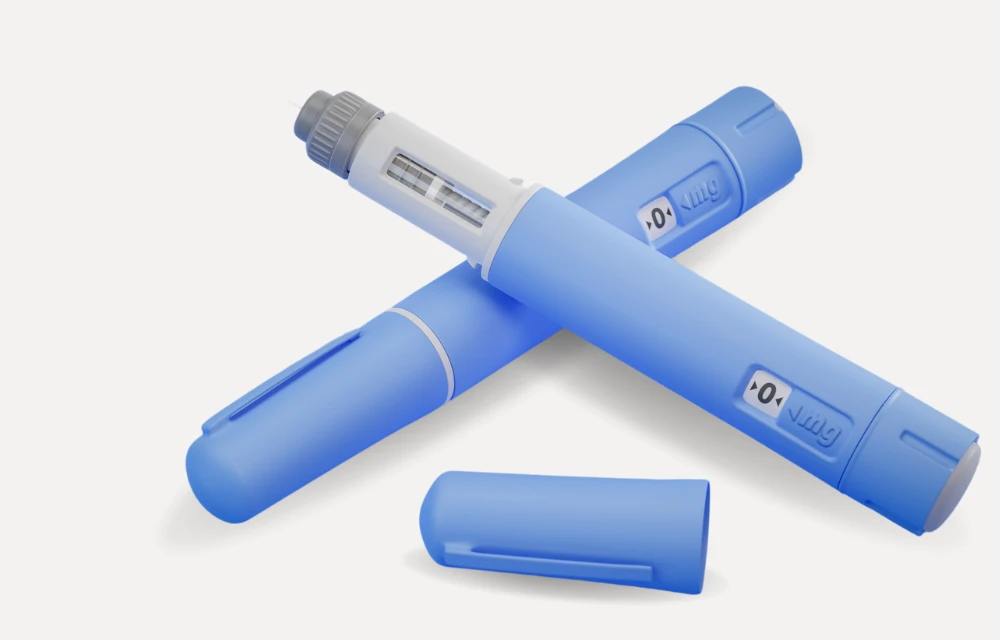
GLP-1 medications are part of a class of treatments known as GLP-1 receptor agonists. These medications act on receptors throughout the body, including the brain, gut, pancreas, and liver, to help regulate appetite, digestion, and blood sugar.

Common GLP-1 medications include semaglutide and tirzepatide for weight loss. At Skin Clique, providers may prescribe compounded semaglutide or tirzepatide in injectable or oral formulations, depending on what is most appropriate for you.

As Kaitlin explains, “GLP-1 medications help patients feel full more quickly, quiet cravings, and extend the feeling of fullness by slowing digestion. They also work to regulate insulin, which can help reduce excess fat storage.”

These medications support weight loss by:

  • Reducing hunger signals in the brain
  • Helping you feel fuller more quickly during meals
  • Prolonging feelings of fullness between meals
  • Slowing gastric emptying, which means food stays in the stomach longer

Many people notice fewer cravings and less interest in frequent snacking. Side effects can also occur, especially early on, including nausea, early satiety, constipation, or food aversions.

Because appetite is reduced, nutritional quality becomes even more important. Eating less does not mean your body needs fewer nutrients. Protein, fiber, healthy fats, and hydration are still essential for preserving muscle mass, supporting metabolism, and maintaining overall wellness.

Responses to GLP-1 medications, which function as receptor agonists, vary widely. Some people notice changes within weeks, while others experience more gradual effects over several months. Injectable and oral formulations may also feel different. Your provider can help assess your weight loss response, changes in body weight, and guide adjustments to your plan as needed.

Essential Nutritional Principles to Support GLP-1 Success

A strong nutritional foundation helps maximize results while minimizing unwanted side effects.

Protein is essential. Adequate protein supports muscle preservation, metabolism, and fullness. Kaitlin emphasizes that “protein is non-negotiable on a GLP-1. While these medications help with fat loss, muscle loss can also occur, and protein helps protect against that!”

Prioritize nutrient density. With a smaller appetite, every bite counts. Choosing whole, minimally processed foods helps ensure you are getting key vitamins and minerals in smaller portions.

Include enough fiber. Fiber supports gut health, helps manage constipation, and assists with blood sugar regulation. Many people do best aiming for 25 to 35 grams of fiber per day, adjusting based on tolerance.

Do not eliminate healthy fats. Healthy fats support hormone health and nutrient absorption. Focus on quality sources like olive oil, avocado, nuts, seeds, and fatty fish.

Stay well hydrated. Kaitlin often reminds patients that “GLP-1 medications may suppress thirst just like they suppress hunger.” Aim for at least 64 ounces of water daily unless your provider advises otherwise.

Eat consistently, even if hunger is low. Skipping meals can backfire. Setting regular meal times helps prevent under-eating and supports steady energy!

Building Your GLP-1 Meal Plan: What to Eat

A GLP-1 supportive diet focuses on balance rather than restriction. Many people tolerate the following foods well.

High priority foods include:

  • Lean proteins like chicken, turkey, fish, eggs, Greek yogurt, cottage cheese, tofu, and legumes
  • Non-starchy vegetables such as leafy greens, broccoli, peppers, zucchini, cauliflower, and tomatoes
  • Fiber-rich foods, including berries, beans, lentils, oats, chia seeds, and vegetables
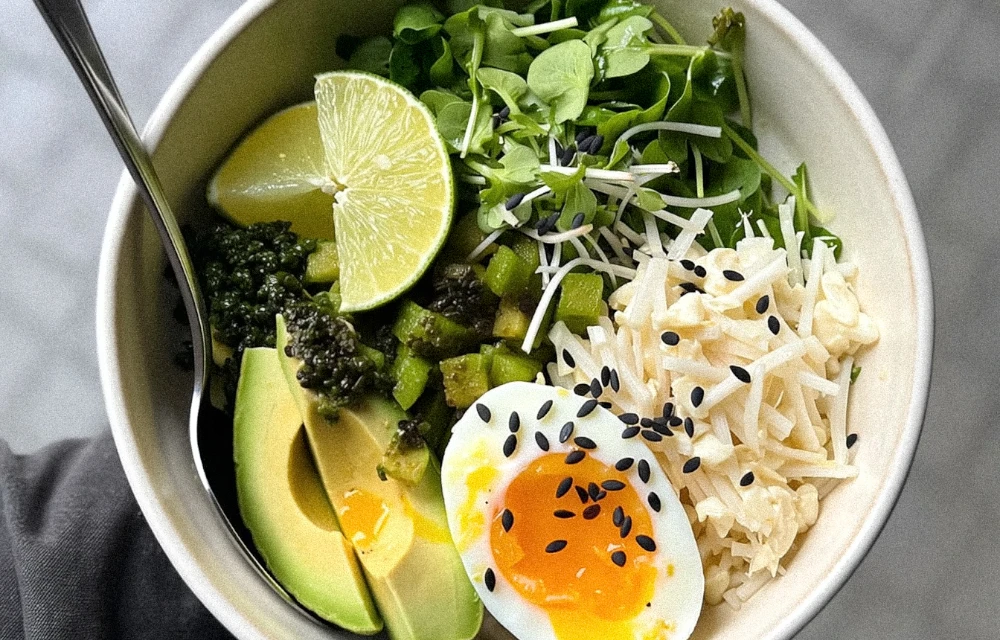
  • Healthy fats like avocado, nuts, seeds, olive oil, and fatty fish like salmon
  • Complex carbohydrates in moderate portions, such as quinoa, sweet potatoes, brown rice, and whole-grain bread
  • Probiotic-rich foods like yogurt, kefir, sauerkraut, and kimchi

Foods that may be harder to tolerate include greasy or fried foods, ultra-processed items, sugary drinks, very large portions, and alcohol. Many patients notice these foods increase nausea or discomfort.

Meal timing matters too. Most people feel best eating three smaller meals and one to two snacks per day, spaced every three to four hours, even if hunger cues are muted.

Sample Daily Meal Plan on GLP-1 Medications

This is one example day and should be adjusted based on your preferences and tolerance.

Breakfast: Greek yogurt parfait with berries, chia seeds, and sliced almonds, approximately 30 grams of protein and 10 grams of fiber

Mid-morning snack: Two hard-boiled eggs with baby carrots, approximately 12 grams of protein and 4 grams of fiber

Lunch: Grilled chicken salad with mixed greens, avocado, olive oil dressing, and a small serving of quinoa, approximately 35 grams of protein and 9 grams of fiber

Afternoon snack: Protein smoothie with spinach, banana, protein powder, and almond butter, approximately 25 grams of protein and 5 grams of fiber

Dinner: Baked salmon with roasted vegetables and a small sweet potato, approximately 30 grams of protein and 8 grams of fiber

This day provides balanced nutrition while remaining flexible. Always work with your provider to personalize portions and targets.

Managing Common Side Effects Through Diet

Side effects can happen, especially early on in your weight loss journey. Kaitlin notes that “having a strong relationship with your provider is key. Many side effects can be minimized by focusing on protein, fiber, fluids, and regular movement.” Your Skin Clique provider is always available to coach you through your experience while being on a GLP-1!

Nausea: Smaller, more frequent meals are often easier to tolerate. Bland foods tend to sit better, and greasy or very sweet foods may worsen symptoms. Cold or room-temperature foods can feel more comfortable. Ginger tea can be soothing for some.

Constipation: Gradually increasing fiber and staying well hydrated can help your body adjust. Regular movement and probiotic-rich foods may also support digestion.

Early satiety: Starting meals with protein helps ensure you meet nutrition needs before fullness sets in. Eat slowly and stop when comfortably full. Smoothies or soups can help on tougher days.

Food aversions: Sudden dislikes are common. Keep a short list of tolerated foods and experiment with different textures or temperatures. Having backup protein options can make meals feel less stressful.

Fatigue: Low energy may be a sign of under-eating. Balanced meals with protein, carbohydrates, and healthy fats can help. If fatigue persists, your provider can help look at the full picture.

Exercise and Movement: Complementing Your GLP-1 Weight Loss Journey

Exercise plays an important role in maintaining muscle and enhancing body composition. Kaitlin encourages patients to “prioritize moving daily and incorporate strength training several times per week. While GLP-1s help with weight loss, exercise helps determine where that weight comes from.”

Aim for a mix of strength training two to three times per week, cardiovascular activity, and daily movement like walking or stretching. Avoid intense workouts on an empty stomach if nausea is present, stay hydrated, and adjust intensity based on how you feel.

Common Mistakes to Avoid on the GLP-1 Diet

Common pitfalls include not eating enough, skipping meals, neglecting protein, ignoring hydration, relying on processed diet foods, eliminating entire food groups, and comparing your journey to others.

Kaitlin’s advice is simple: “Be prepared. Plan small meals and snacks, prioritize protein and hydration, and shop the perimeter of the grocery store. Most importantly, work closely with your provider. We are here to help you succeed!”

Frequently Asked Questions

How fast do GLP-1 drugs suppress appetite?

It varies. Some patients notice changes within weeks, while others may take a few months, especially since doses are titrated slowly to improve tolerance.

Are there specific foods to avoid?

No foods are strictly off limits. Many patients find that fried, fatty, or sugary foods cause side effects. Listening to your body is key!

What should I eat while on GLP-1 medications?

Prioritize protein and fiber, include vegetables, healthy fats, and eat consistent meals. Always review recommendations with your provider.

Why am I not losing weight?

Plateaus are normal. They can be related to muscle loss, metabolic adaptation, under-eating, or side effects like constipation. Your provider can help assess and adjust your plan.

Can I drink coffee?

Yes. Drinking coffee with food and staying hydrated can help minimize nausea. Pay attention to how your body responds.

Can exercise enhance results?

Absolutely! Combining cardio and strength training supports better body composition and long-term success.

The Takeaway

GLP-1 medications can be a powerful tool, but lasting success comes from pairing treatment with thoughtful nutrition, movement, and ongoing provider support. Prioritizing protein, choosing nutrient-dense foods, staying hydrated, and eating consistently can help you feel better and get more from your care.
Every journey is unique. Working closely with a licensed provider ensures your plan evolves with you. If you are ready to take the next step, explore Skin Clique’s comprehensive weight loss programs or schedule a consultation for personalized guidance tailored to your goals.