Lifestyle & Skin Health
February 27, 2026

Transform Your Skincare Routine for Winter with These Pro Tips

Caroline Nieland

Winter may feel refreshing outside, but your skin experiences it very differently.

To help you navigate the season with confidence, we turned to Sara Bullock, NP, Director of Skincare at Skin Clique. Sara is a leading expert in medical aesthetics and skincare, with years of clinical experience and a reputation built on science-based results. She personally hand-picks and tests every product Skin Clique carries, prioritizing skin health, ingredient integrity, and real patient outcomes above all else. She is not trend-driven. She is evidence-driven. And when it comes to winter skincare, she has a lot to say.

As outdoor air becomes colder and drier and indoor heating lowers humidity, your skin can start to feel tighter, more sensitive, and less balanced than usual. These seasonal shifts can weaken your skin barrier, increase dryness, and leave your skin feeling tight or sensitive. Even oily skin types can experience winter dehydration. The good news? A few thoughtful adjustments to your routine can protect hydration, support barrier function, and keep your skin healthy all season long.

Meet the Expert

Sara Bullock, NP-C | Director of Skincare | Aesthetic Injector

How Winter Weather Affects Your Skin

Your skin barrier acts as your body’s first line of defense. It helps retain moisture while protecting against environmental stressors. In winter, that barrier works even harder.

"Any extreme temperatures can cause inflammation in our skin, but the main issue in colder months is humidity," Sara explains. "There is less moisture in the air, which means the air can actually pull moisture from your skin. It's important we replace that moisture!"

Cold air naturally holds less moisture, which accelerates transepidermal water loss. Indoor heating compounds the problem by further lowering humidity. Hot showers are another hidden culprit Sara frequently sees. "People are more likely to take hot showers in the winter, and that just gets rid of skin's natural oils," she says. "Make sure you are moisturizing your body right after your shower and use a humidifier."

You may notice increased dryness and flaking, tightness or sensitivity, dullness and rough texture, worsening eczema or rosacea, or dehydration, even if you have oily skin. If your skin feels different this time of year, you are not imagining it. Winter changes how your skin behaves.

Essential Winter Skincare Tips

Essential skincare tips

Switch to a Gentler Cleanser

If your cleanser suddenly feels harsh, your skin is likely telling you something. Foaming cleansers naturally reduce oil in the skin, which can be beneficial, but as Sara notes, "reducing oil too much makes skin feel dry and tight" during the winter months when the barrier is already compromised.

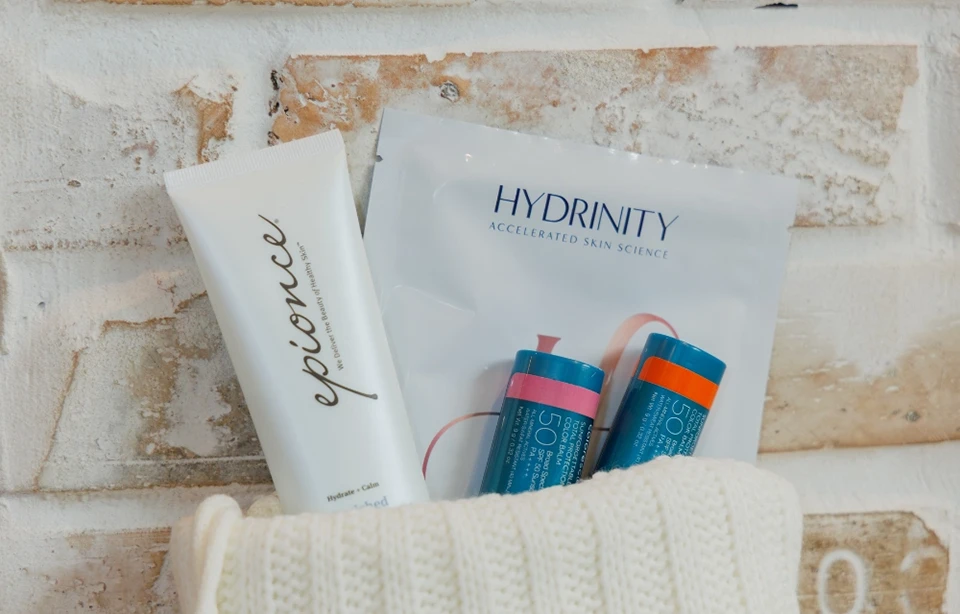
Consider switching to a cream or oil-based formula that supports hydration while still removing impurities. Sara's go-to recommendation is Hydrnity Prelude Cleanser: "It's great for all patients, even acne, but gentle and nourishing because of their proprietary HA molecule."

Additional tips: use lukewarm water instead of hot, limit cleansing time, and pat skin dry gently rather than rubbing. If your skin feels very dry, a once-daily evening cleansing may be all you need.

Layer Hydrating Products

Hydration and moisture are related, but not the same. Hydration refers to the water content within your skin, while moisture refers to the oils that seal that water in and prevent evaporation. This distinction becomes especially important in winter. Layering your skincare products thoughtfully helps your skin hold onto hydration more effectively.

Start with a hydrating serum containing hyaluronic acid or glycerin and apply it to slightly damp skin to enhance absorption.  Follow with your moisturizer to lock everything in. Even if you have oily skin, do not skip hydrating serums. Dehydration can actually trigger increased oil production as your skin attempts to compensate.  

Upgrade Your Moisturizer or Cream

Winter often calls for a richer, more occlusive cream. Look for formulas with ceramides, cholesterol, and fatty acids that support barrier repair and reduce water loss. Sara's advice: "Focus on products that can act as a seal for your barrier." I love SkinCeuticals Triple Lipid Restore or SkinBetter Science Trio Luxe. Both act like a last-step barrier to keep moisture in as much as possible."

Apply moisturizer while skin is still slightly damp to improve absorption, and reapply throughout the day as needed, especially around the nose and mouth, where dryness tends to appear first. Do not overlook the neck and décolletage, as these areas are equally exposed and vulnerable.

Adjust to a Gentle Exfoliation Routine

This is where Sara sees the biggest misstep patients make all winter. "Neglecting exfoliation is the number one mistake I see in the winter. We are still turning over skin cells. You should continue to exfoliate, just do it less frequently."

The accumulation of dead skin cells creates a barrier that prevents your serums and moisturizers from fully absorbing. The solution is not to skip gentle exfoliation entirely, but to reduce frequency to two or three times per week and choose milder options. Sara recommends ZO Skin Health Exfoliating Polish for physical exfoliation and Alumier MD Bright and Clear for chemical exfoliation. "It's a more lactic acid-heavy product with caviar lime extract that can provide chemical exfoliation without drying," she explains. Lactic acid is a gentler alternative to glycolic and works well for sensitive winter skin.

Avoid harsh physical scrubs if your barrier feels vulnerable, and always follow exfoliation with a barrier-supporting moisturizer to restore hydration and reinforce protection.

Never Skip Sunscreen

Daily sun protection is non-negotiable, even in the depths of winter. UV rays penetrate clouds, and snow can reflect up to 80 percent of UV radiation, actually increasing your exposure on cold or overcast days.

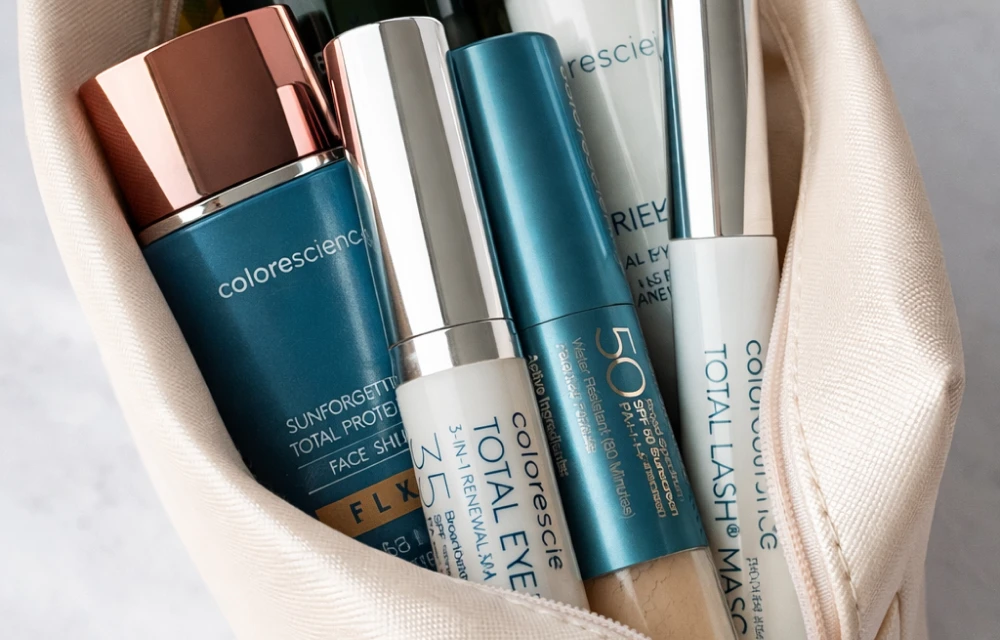
Sara keeps it straightforward: "While the UV index is lower in winter, it's still critical to protect yourself from the sun and keep up the routine you started in warmer months." A broad-spectrum sunscreen with SPF 30 or higher should be applied daily to all exposed areas, including face, neck, ears, and hands. Her moisturizing sunscreen recommendation is Colorescience Sunforgettable Total Protection Face Shield Flex, which supports hydration while delivering reliable protection.

Add Targeted Treatments for Dry Areas

Some areas naturally need a little extra attention during cold weather. For lips, Sara recommends using an exfoliating polish on damp lips first to remove dead skin, then following with targeted hydration. "Lip Filler provides the ultimate hydration, and I always recommend Anfisa An-Gloss Ceramide Lip Treatment. It uses CERABIND Technology, a mix of ceramides, cholesterol, and lipids to mimic the skin's barrier. Much more effective than a simple gloss."

For hands, apply hand cream after every wash. For the body, moisturize immediately after showering to seal in moisture before it escapes.

When to Seek Professional Help

Sometimes winter dryness goes beyond what a routine adjustment can address. If you are experiencing severe dryness that does not respond to home care, cracking or bleeding skin, persistent irritation, eczema flares that will not resolve, or worsening acne or rosacea, it may be time to connect with a provider.

A Skin Clique provider can assess your skin, review your current routine, and identify underlying factors contributing to your symptoms. Care is personalized, and the goal is always long-term skin health rather than temporary relief.

Adapt, Don’t Reinvent

Effective winter skincare is not about starting over. It is about making smart, intentional adjustments that support your skin through the season. A gentler cleanser, more intentional layering, a richer moisturizer, and dialed-back but consistent gentle exfoliation can make a meaningful difference when practiced regularly.

Listen to your skin, respond to what it needs, and lean on expert guidance when you need it.

Need personalized winter skincare recommendations? Explore our curated collections for dry and sensitive skin, or consult with a Skin Clique provider for professional guidance.