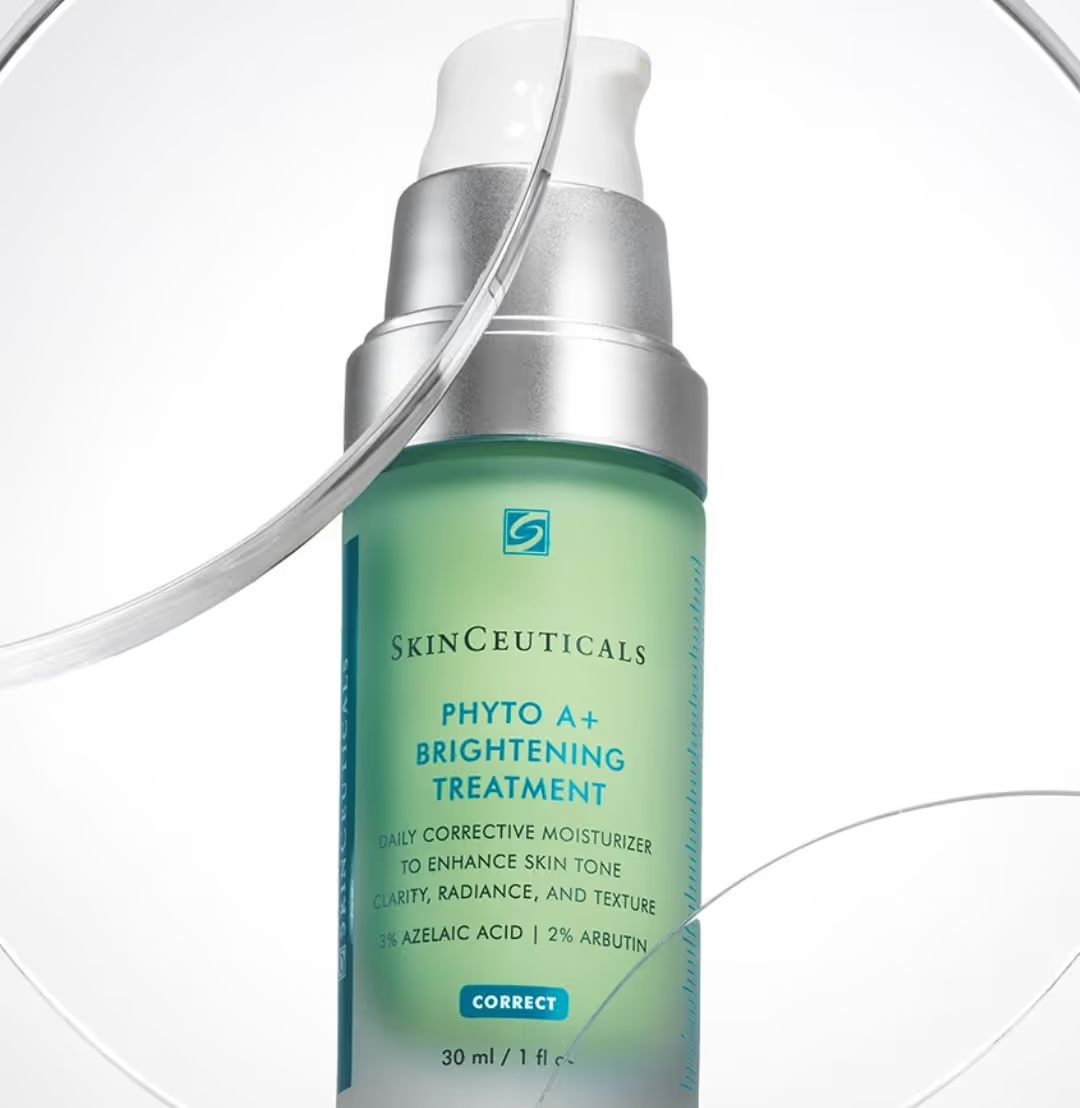
If there's one ingredient that has consistently earned its place in a skincare routine, it's vitamin C. Backed by decades of research and widely recommended by providers, it remains one of the most trusted and effective ingredients for supporting healthy skin.
Part of what makes vitamin C for skin so valuable is that it can support so many concerns at once. From dullness and uneven tone to fine lines and environmental stress, it works across multiple levels to help maintain a brighter, more resilient complexion over time. Whether you’re building your first skincare routine or refining what you already use, this guide will walk you through what matters most.
Meet the Expert
Sara Bullock, NP is the Director of Skincare at Skin Clique. She works closely with Skin Clique providers nationwide to evaluate products, formulations, and treatment protocols with a focus on long-term skin health and real-life results. With a deep understanding of how ingredients function both on their own and in combination, she provides thoughtful, evidence-based recommendations that support skin in a balanced and effective way.
What Is Vitamin C and How Does It Work?
Vitamin C, also known as ascorbic acid, is an essential nutrient and powerful antioxidant that plays a key role in maintaining skin health. When applied topically, it works on several levels at once, which is what makes it such a foundational ingredient.
Throughout the day, your skin is exposed to UV rays and pollution, which generate free radicals and contribute to premature aging, uneven tone, and dullness. Vitamin C helps neutralize those free radicals, supports collagen production for firmer skin, reduces the appearance of dark spots by slowing excess pigment production, and calms visible redness through its anti-inflammatory properties.
As Sara Bullock, NP explains, "it is a workhorse product that fights damage, fades discoloration, and firms skin all at once. It's one of the most extensively researched topical skincare ingredients available!"
One important detail: the most active form, L-ascorbic acid, is sensitive to light, air, and heat. This is why formulation, stability, and packaging all play a meaningful role in how well a product performs.
Benefits of Vitamin C for Skin
Vitamin C works gradually across tone, texture, and overall resilience rather than targeting a single concern. Here's what consistent use can support:
- Brighter, more even skin tone. By helping regulate melanin production, vitamin C can reduce the appearance of dark spots, post-acne marks, and discoloration. Most people notice visible brightening within four to twelve weeks.
- Firmer, smoother skin. Vitamin C supports collagen synthesis, which helps improve the appearance of fine lines and contributes to more resilient skin over time.
- Antioxidant protection. Daily UV and environmental exposure accelerate visible aging. Vitamin C helps defend against this oxidative stress, making it especially valuable in a morning routine.
- Improved texture and radiance. By encouraging healthy cell turnover, vitamin C can help refine your skin surface and enhance overall glow.
As Sara puts it, "It is more of a protective product than a corrective one. Your future skin will thank you."
Types of Vitamin C in Skincare
Not all vitamin C products are the same. Understanding the different forms helps you find the right fit for your skin type and goals.
L-Ascorbic Acid (Pure Vitamin C)
L-ascorbic acid is the most researched and potent form, effective at concentrations between 10 and 20 percent. It delivers fast, visible results but can be more reactive due to its low pH and instability. As Sara notes, it's "best suited for experienced users with oily or normal skin who want maximum results."
Vitamin C Derivatives (Gentler Options)
For sensitive, dry, or acne-prone skin, derivatives offer a more stable and comfortable alternative:
- Tetrahexyldecyl Ascorbate (THD): Oil-soluble, deeply penetrating, and exceptionally stable. Sara highlights this as a favorite, noting it "works well for dry and mature skin types and blends seamlessly into richer, lipid-based formulations."
- Sodium Ascorbyl Phosphate (SAP): Water-soluble and gentle, with antimicrobial properties that make it a strong choice for acne-prone skin.
- Magnesium Ascorbyl Phosphate (MAP): Hydrating and soothing, well-suited for dry or sensitive skin types.
- Ascorbyl Glucoside: Slow-releasing and highly stable, ideal for beginners or anyone wanting a low-irritation starting point.
A Skin Clique provider can help you navigate these options and find the right fit, especially if you're layering multiple active ingredients.
How to Use Vitamin C in Your Skincare Routine
When to Apply
Morning is the ideal time. As Sara explains: "Apply vitamin C serum to clean, dry skin in the morning before moisturizer and sunscreen. Morning use makes the most sense because its antioxidant properties act like a shield against daytime environmental aggressors like UV rays and pollution." It can also be used at night if that better suits your routine.
Related Article: Your Perfect Morning Skincare Routine in 5 Simple Steps
Step-by-Step Application
- Cleanse your skin thoroughly
- Apply toner if you use one
- Apply 1 to two pumps of vitamin C serum to your face
- Wait one to two minutes for absorption
- Layer any additional serums if needed
- Apply moisturizer
- Finish with SPF 30 or higher
- Proceed with makeup if desired
A few pumps are typically enough to cover the face, and extending the application to your neck and décolletage helps maintain consistency across often exposed areas. Gently pressing the product into the skin, rather than rubbing, can also support even absorption and a more comfortable application.
How Often to Use It
Daily use is recommended for consistent results. If you're new to vitamin C, starting every other day gives your skin time to adjust. Some mild tingling with L-ascorbic acid can be normal, but persistent redness or discomfort is a sign to reduce frequency or try a gentler form.
Pairing Vitamin C with Other Skincare Ingredients
Thoughtful ingredient pairing can meaningfully enhance how Vitamin C performs:
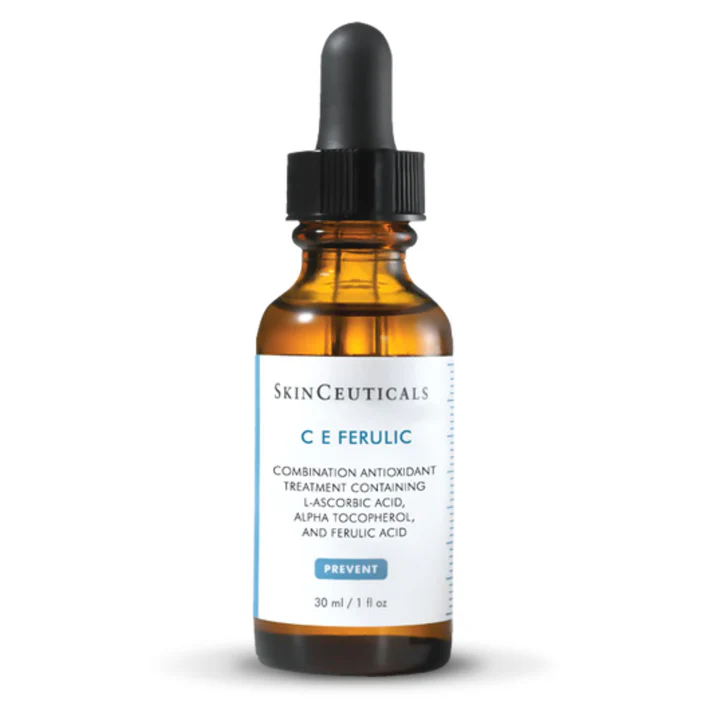
- Vitamin C + Vitamin E + Ferulic Acid: The gold-standard antioxidant combination. As Sara describes it, these are "vitamin C's power duo, stabilizing it and amplifying its antioxidant effects, like adding a sidekick who makes the hero stronger."
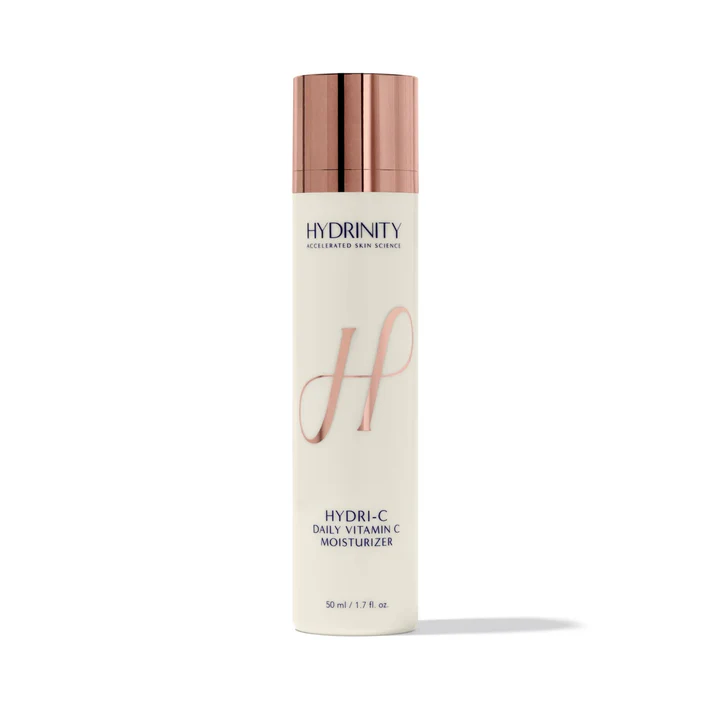
- Vitamin C + Hyaluronic Acid: Hyaluronic acid adds hydration and supports the skin barrier alongside vitamin C's brightening benefits.
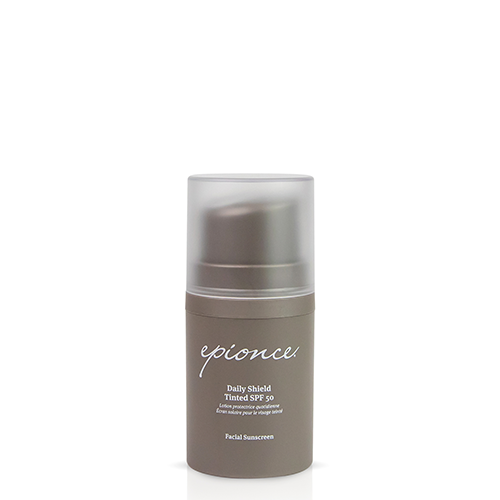
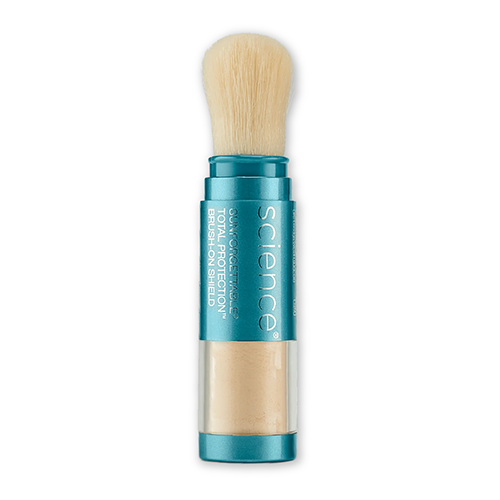
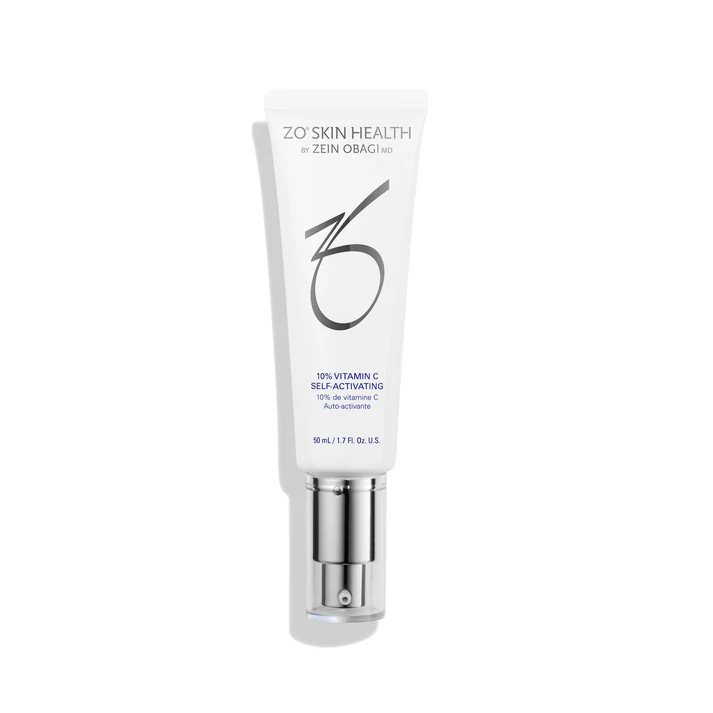
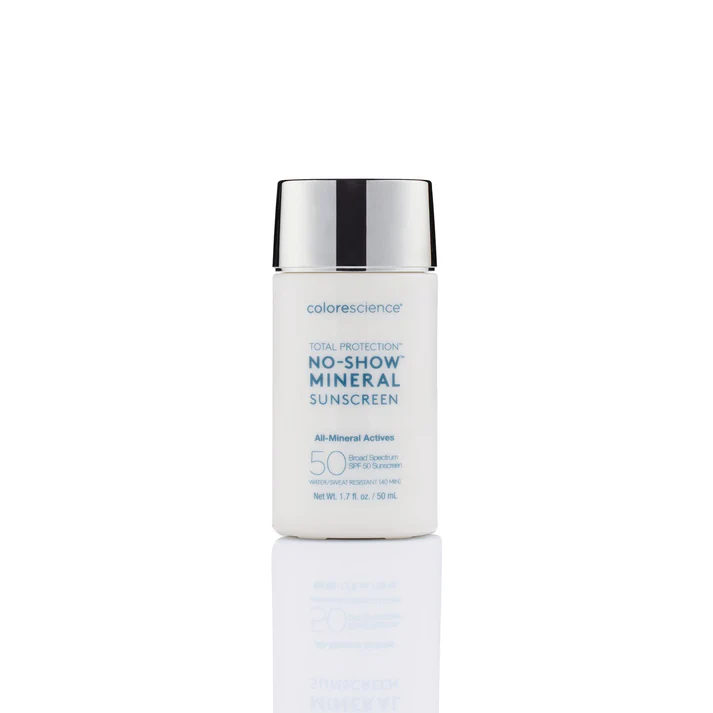
- Vitamin C + Sunscreen: Non-negotiable. Sara sums it up well: "SPF and vitamin C are a dream team. It's like a two-layer security system for your skin. SPF keeps the sun out, while vitamin C reduces anything that might slip through."
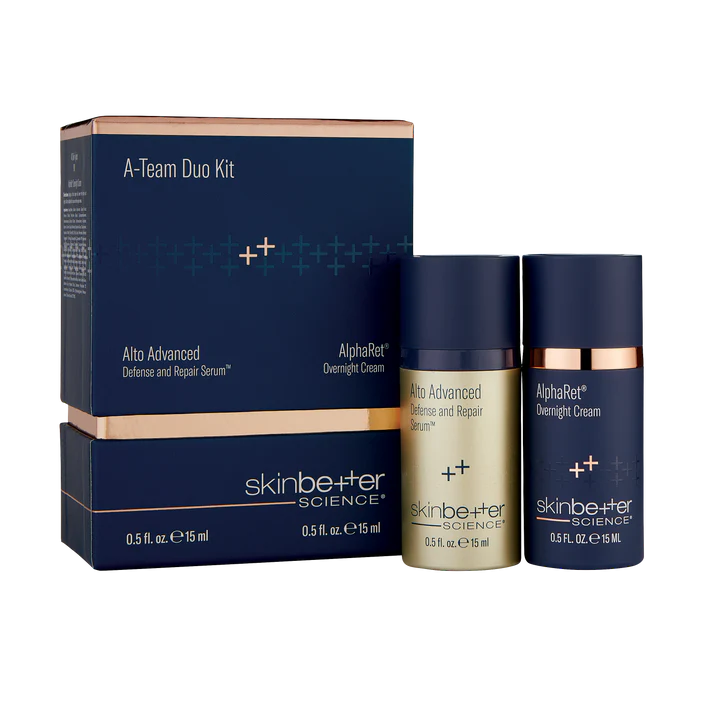
- Vitamin C + Retinol or Acids: Both can be used together, but timing matters. Most providers recommend vitamin C in the morning, and stronger actives like retinol or exfoliating acids at night to reduce the risk of irritation.
Choosing the Right Vitamin C Product
A well-formulated vitamin C serum will clearly list its concentration, include stabilizing ingredients such as vitamin E or ferulic acid, and use packaging that protects against light and air. Dark or opaque bottles with airtight pumps are ideal. Clear packaging and jar containers accelerate oxidation and reduce the product's effectiveness over time.
Your skin type matters too. Oily skin may tolerate higher concentrations of L-ascorbic acid, while sensitive skin often does better with gentler derivatives at lower concentrations. If you're unsure where to start, a Skin Clique provider can help you choose based on your skin's actual needs rather than trial and error.
Common Mistakes to Avoid
- Using an oxidized product. If your serum has turned orange or brown, it has degraded and needs to be replaced.
- Expecting fast results. Visible improvements in tone and texture take four to twelve weeks of consistent use.
- Skipping sunscreen. Vitamin C is not SPF. Always follow with SPF 30 or higher in the morning.
- Starting too strong. Beginning at a lower concentration, or with a gentle derivative, reduces the risk of irritation and helps your skin adjust.
- Combining too many actives at once. Increases irritation and makes it harder for your skin to respond consistently.
Frequently Asked Questions
Can I use Vitamin C every day?
Yes, and consistency is key to seeing results. Those new to stronger formulations may prefer to start every other day and increase frequency as tolerated.
What percentage of Vitamin C should I use?
For L-ascorbic acid, the effective range is 10 to 20 percent. For sensitive skin, lower concentrations or derivatives are often more appropriate. A well-formulated 10% product will consistently outperform a poorly formulated and packaged 20% one.
Can I use Vitamin C with retinol?
Yes, but most providers recommend using vitamin C in the morning and retinol at night to minimize irritation. Avoid introducing both at once if either is new to your routine.
Is Vitamin C safe for sensitive skin?
Yes, especially when using stable derivatives. Starting slowly and choosing the right formulation makes vitamin C accessible for most skin types.
Does Vitamin C serum expire?
Yes. As Sara explains, "oxidized vitamin C turns yellow, then orange, then brown, signaling it has degraded and lost much of its efficacy." Store your serum in a cool, dark place, keep it tightly sealed, and replace it if you notice a significant color change.
The Key Takeaway
Vitamin C remains one of the most effective and well-researched ingredients in skincare. It supports brighter skin, smoother texture, and stronger overall skin health while helping defend against daily environmental stress. The key is choosing the right form for your skin, using it consistently, and always pairing it with sunscreen.
If you're not sure which vitamin C product is right for you, a Skin Clique provider can help assess your skin, recommend a tailored approach, and support you in building a long-term routine. With the right foundation, vitamin C becomes a steady, reliable part of your routine, and one that helps your skin look and feel its best over time!